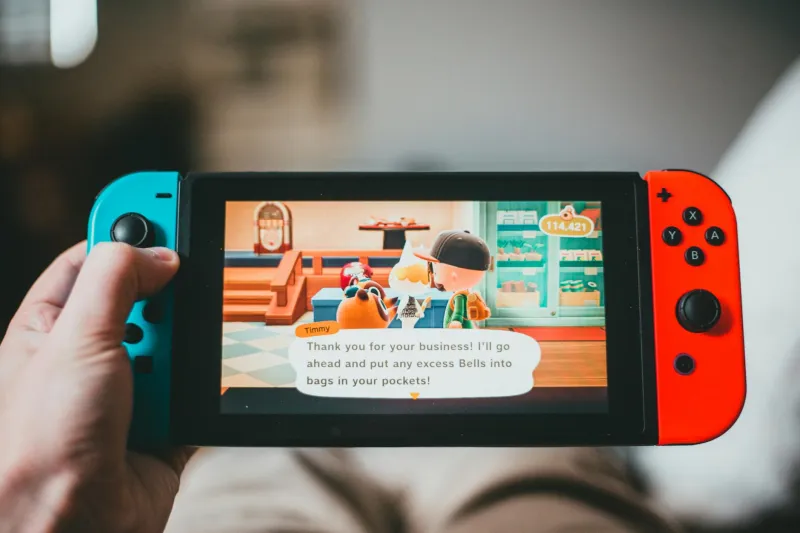
Remember when you could try before you buy? When gaming magazines came with covermount CDs packed with playable demos, when console manufacturers built demo channels into their platforms, and when "shareware" wasn't a nostalgic term but a thriving distribution model? The gaming industry's quiet abandonment of demos represents one of the most consumer-hostile shifts in modern entertainment, coinciding perfectly with the rise of $70 standard pricing and increasingly complex monetization schemes.
In 2026, asking for a demo feels almost quaint — like requesting a handwritten receipt or demanding to speak with the manager. The industry has successfully trained consumers to accept blind purchasing as normal, replacing genuine try-before-you-buy experiences with inadequate substitutes that prioritize publisher revenue over informed consumer choice.
The Golden Age of Try-Before-You-Buy
The demo ecosystem once thrived across every gaming platform. PC gaming built its entire culture around shareware distribution, where developers released substantial portions of games for free evaluation. Console manufacturers embraced demo discs as system sellers, with PlayStation Underground and Xbox Magazine demos introducing millions of players to new franchises.
These weren't marketing gimmicks — they were substantial gameplay experiences. Tony Hawk's Pro Skater demos let you master the warehouse level. Final Fantasy demos provided hours of JRPG storytelling. Racing game demos included multiple tracks and vehicles. Demos sold systems, built franchises, and created informed consumers who knew exactly what they were purchasing.
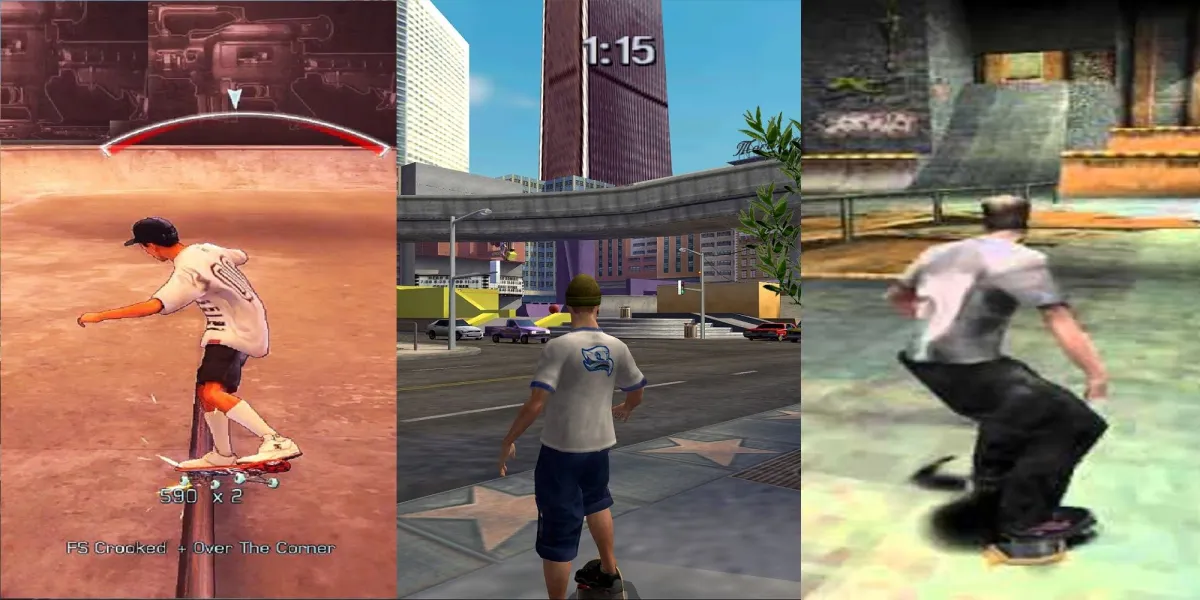 Photo: Tony Hawk's Pro Skater, via static0.gamerantimages.com
The business model worked because confident developers used demos as competitive advantages. Studios knew their games were good, so they let quality speak for itself. Demos became discovery engines, introducing players to genres and franchises they might never have tried otherwise.
The Slow Strangulation
The demo decline wasn't sudden — it was a gradual strangulation disguised as industry evolution. Publishers began citing development costs, arguing that creating demos required resources better spent on the main game. Marketing departments pushed back against demos, claiming they reduced day-one sales by allowing consumers to identify problems before purchasing.
Digital distribution initially seemed like demo salvation. Without physical media constraints, demos could be distributed instantly and updated regularly. Instead, digital platforms accelerated demo decline by removing the discovery mechanisms that made demos valuable. No more magazine covermounts, no more demo compilation discs, no more accidental discovery of great games through bundled trials.
The rise of preview events and influencer marketing provided publishers with controlled alternatives to public demos. Why release a demo where anyone could discover problems when you could invite selected content creators to showcase your game under carefully managed conditions?
The Inadequate Replacements
The industry offers three supposed demo replacements, each fundamentally flawed as consumer protection mechanisms:
Refund Policies: Steam's two-hour refund window seems generous until you consider modern game design. Most contemporary games require 3-4 hours just to complete tutorials and reach core gameplay loops. Two hours barely covers character creation in some RPGs, let alone meaningful system evaluation.
Refund policies also create perverse incentives for developers. Games now front-load their most polished content to survive the refund window, while saving experimental or challenging elements for later when refunds become unavailable. This has led to a homogenization of opening experiences across genres.
Subscription Trial Periods: Game Pass, PlayStation Plus, and similar services offer "try everything" access, but they're fundamentally different from demos. Subscription trials require ongoing monthly commitments, create artificial time pressure, and often exclude the newest releases that consumers most want to evaluate.
Subscription models also shift evaluation criteria. Instead of asking "Is this game worth $70?" consumers ask "Is this game worth playing during my limited subscription time?" These are completely different value propositions that don't help with actual purchase decisions.
Preview Events and Betas: Controlled preview events provide limited gameplay access under artificial conditions. Beta tests focus on technical stability rather than gameplay evaluation, often featuring incomplete systems that don't represent final product quality.
These events also suffer from selection bias. Publishers invite enthusiastic fans and content creators likely to provide positive coverage, while excluding skeptical voices that might offer critical evaluation. The result is curated enthusiasm rather than honest assessment.
The Data Doesn't Lie
Contrary to publisher fears, available data suggests demos actually increase sales rather than cannibalize them. Steam's periodic "Demo Festivals" consistently drive wishlist additions and eventual purchases. Indie developers who release demos report higher conversion rates than those relying solely on trailer marketing.
The most compelling evidence comes from Nintendo's approach to demos on Switch. First-party Nintendo demos for games like Splatoon 3 and Kirby and the Forgotten Land generated massive download numbers and correlated with strong launch sales. These weren't desperate attempts to salvage failing products — they were confident displays of quality that converted skeptics into customers.
Mobile gaming provides another data point. The free-to-play model essentially functions as an extended demo, allowing unlimited evaluation before monetization kicks in. The success of this model proves that try-before-you-buy approaches can drive revenue when implemented correctly.
The $70 Problem
Demo extinction becomes particularly problematic as standard game prices reach $70. At this price point, impulse purchasing becomes financially irresponsible for most consumers. The risk-reward calculation changes dramatically when a single bad purchase represents a significant entertainment budget hit.
Younger gamers face the most severe impact. A $70 mistake represents weeks of allowance or part-time job earnings. Without demos, these consumers must rely on trailer marketing and influencer coverage — both controlled by publishers with obvious financial incentives.
The price increase also makes genre experimentation more difficult. Demos once served as low-risk ways to try new types of games. Without them, consumers stick to familiar franchises and genres, reducing diversity in purchasing patterns and ultimately limiting market growth for innovative titles.
The Preservation of Quality
Some developers still champion demos as quality assurance tools. Studios like Team Cherry (Hollow Knight), Supergiant Games (Hades), and various indie developers continue releasing substantial demos that showcase core gameplay systems.
 Photo: Hollow Knight, via images-wixmp-ed30a86b8c4ca887773594c2.wixmp.com
These companies report that demo development forces early system polish and helps identify design problems before full production. Demos function as external playtesting that reveals issues invisible to internal development teams.
The Japanese gaming industry maintains stronger demo traditions, with Nintendo, Capcom, and other publishers regularly releasing substantial trial versions. This cultural difference suggests that demo resistance isn't inevitable — it's a choice made by publishers prioritizing short-term revenue over long-term customer relationships.
Fighting the Drought
Consumer advocacy for demo return requires coordinated pressure across multiple fronts. Platform holders like Sony and Microsoft could mandate demo requirements for featured store placement. Gaming press could prioritize coverage of games offering substantial demos. Most importantly, consumers could vote with their wallets by preferentially purchasing from developers who provide meaningful trial experiences.
Some promising signs suggest demo renaissance possibilities. Virtual reality gaming, where comfort and motion tolerance vary dramatically between users, has maintained strong demo traditions out of necessity. Cloud gaming services could theoretically eliminate demo development costs by offering time-limited access to full games.
Regulatory pressure could also drive change. Consumer protection agencies could classify $70 entertainment purchases as significant enough to require trial periods, similar to other high-value consumer goods.
The Real Cost of Demo Death
The demo drought represents more than lost convenience — it's a fundamental shift in the consumer-publisher relationship. By eliminating try-before-you-buy options, the industry has transferred purchase risk entirely onto consumers while maintaining maximum revenue extraction.
This shift particularly harms discovery of innovative games. Demos once provided safe ways to experience new mechanics, unusual art styles, or experimental narratives. Without them, consumers gravitate toward familiar experiences, reducing market incentives for creative risk-taking.
The ultimate irony: an industry built on interactivity has abandoned its most interactive marketing tool. In an era where every other entertainment medium offers samples, previews, and trial experiences, gaming has chosen to hide its products behind marketing walls and hope consumers gamble blindly.
Until demos return, consumers face an increasingly hostile purchasing environment where informed decision-making requires extensive research, community investigation, and often, expensive mistakes — all while publishers count revenue from games that might never have sold if customers could have tried them first.