The conversation started with a simple question: why can't my colorblind friend see the red enemy markers? Now, five years later, we're in the middle of a full-scale philosophical war about who gets to play games and how they're allowed to experience them.
On one side, you have studios like Naughty Dog, Insomniac, and Santa Monica Studio pushing accessibility features so comprehensive they'd make a NASA engineer weep with joy. On the other, you've got developers treating difficulty sliders like they're diluting fine wine, insisting that their singular vision must remain untainted by player choice.
The data is starting to tell a story that should make every executive pay attention.
The Numbers Don't Lie
When The Last of Us Part II shipped with over 60 accessibility options in 2020, critics worried it would "cheapen" the experience. Instead, Sony reported that 20% of players used at least one accessibility feature — not just disabled players, but anyone who wanted to customize their experience. Parents playing after bedtime turned on visual sound indicators. Players with limited gaming time used auto-aim to breeze through combat and focus on story.
Fast forward to 2026, and the pattern is undeniable. Games with robust difficulty and accessibility options consistently outsell their gatekeeping competitors. Celeste's Assist Mode didn't destroy the game's reputation — it expanded its audience from hardcore platformer fans to anyone who wanted to experience Madeline's story without throwing their controller through a window.
Microsoft's Gaming Accessibility Guidelines, now in their third iteration, have become the industry standard. Sony's accessibility features are so comprehensive they've spawned their own marketing campaigns. Even Nintendo, traditionally resistant to difficulty options, quietly added them to Metroid Dread after community feedback.
The Holdouts and Their Reasons
Yet walk into any gaming forum and you'll find developers and players arguing that difficulty options "ruin the intended experience." FromSoftware remains the poster child for this philosophy — no difficulty sliders in Elden Ring, no accessibility options beyond basic colorblind support, and a fanbase that treats this as sacred doctrine.
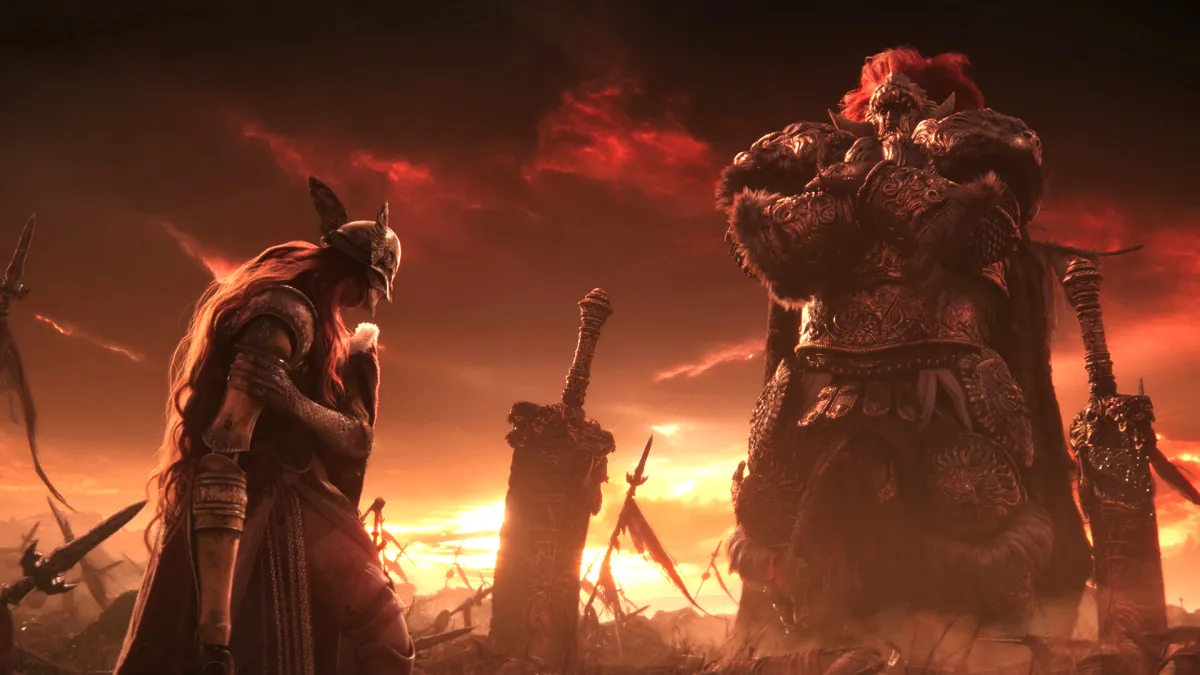 Photo: FromSoftware, via cdn.mos.cms.futurecdn.net
The arguments haven't changed much since 2019: "Difficulty is part of the artistic vision." "Overcoming challenge creates meaning." "Not every game needs to be for everyone."
Hidetaka Miyazaki has repeatedly stated that Dark Souls' difficulty isn't arbitrary — it's integral to the themes of perseverance and triumph. Some indie developers echo this sentiment, arguing that player struggle creates emotional investment that can't be replicated through easier modes.
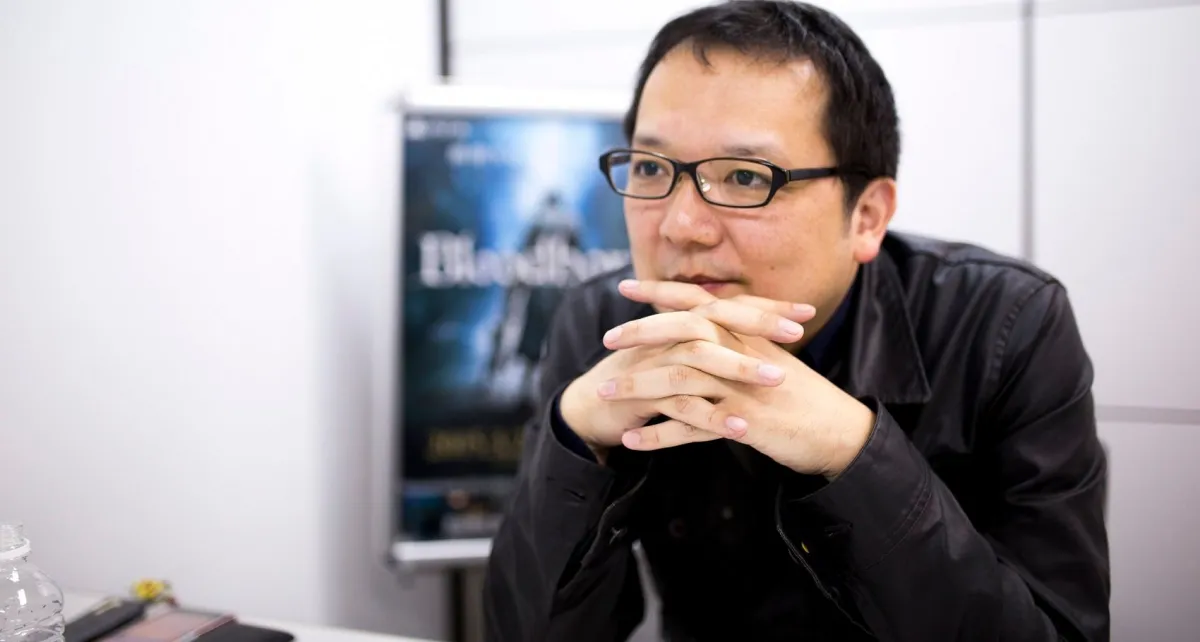 Photo: Hidetaka Miyazaki, via static1.thegamerimages.com
But here's where it gets interesting: the holdouts aren't necessarily wrong about their specific games. Elden Ring sold 20 million copies without a single difficulty option. The question isn't whether challenging games can succeed — it's whether they're leaving money and players on the table.
The Middle Ground Revolution
The most successful approach isn't coming from either extreme. Studios like Supergiant Games (Hades) and Team Cherry (Hollow Knight) have found ways to maintain their vision while giving players control over their experience.
Hades doesn't have a traditional difficulty slider, but it has God Mode — a feature that gradually reduces damage taken after each death, allowing players to experience the story without getting permanently stuck. It's optional, it's elegant, and it doesn't compromise the game's core loop of death and improvement.
Spider-Man 2 went further, separating combat difficulty from puzzle complexity from traversal assistance. Want brutal combat but simplified web-swinging? No problem. Need help with timing-based puzzles but want to master every combo? The game accommodates both.
This granular approach is becoming the new gold standard. Instead of a single difficulty slider, modern games offer difficulty menus that look like audio mixing boards — separate controls for enemy aggression, resource scarcity, puzzle complexity, and reaction time requirements.
What Players Actually Want
The advocacy groups have been clear from the start: accessibility isn't about making games easier, it's about removing barriers that prevent people from engaging with the intended challenge.
AbleGamers, the leading gaming accessibility nonprofit, draws a crucial distinction between difficulty and accessibility. A colorblind player who can't distinguish between red and green UI elements isn't looking for an easier game — they want to see the same information as everyone else. A player with limited hand mobility isn't asking for simplified combat — they need button remapping options.
 Photo: AbleGamers, via ablegamers.org
But the conversation has expanded beyond traditional accessibility. Parents with limited gaming time want to experience Red Dead Redemption 2's story without spending 60 hours on horseback. Older players returning to gaming after decades want to enjoy modern titles without relearning muscle memory they lost years ago.
The industry's response has been telling. Studios that initially resisted accessibility features now tout them as selling points. "Over 100 accessibility options!" has become as common in marketing materials as "4K 60fps support."
The Business Case Is Clear
By 2026, the economic argument for accessibility has become overwhelming. The CDC estimates that 61 million adults in the US live with a disability. That's not a niche market — it's larger than the entire PlayStation install base.
More importantly, accessibility features benefit everyone. Subtitles help players in noisy environments. Visual indicators assist players who game without sound. Difficulty options let players tailor experiences to their available time and skill level.
EA's internal data shows that games with comprehensive accessibility features have 23% higher player retention rates. That translates directly to DLC sales, microtransaction revenue, and sequel purchases.
The Cultural Shift
Perhaps most significantly, the conversation has moved beyond forums and into mainstream gaming culture. Streamers regularly showcase accessibility features. Gaming publications include accessibility reviews as standard practice. The Game Awards now includes an Innovation in Accessibility category.
Younger players, in particular, seem baffled by the old gatekeeping mentality. They've grown up with YouTube tutorials, save states in retro collections, and games that explain their mechanics clearly. The idea that struggling against unclear systems is inherently virtuous doesn't resonate.
This generational shift is reflected in sales data. Games that embrace player choice and clear communication consistently outperform their obtuse competitors, especially in the crucial 18-34 demographic.
What's Next
The industry is moving toward a future where player choice is the default, not the exception. Microsoft's Xbox Adaptive Controller has spawned dozens of third-party accessories. Sony's DualSense features are being retrofitted into older titles. Even mobile games are adopting console-style accessibility standards.
The holdouts are becoming increasingly isolated. As development costs rise and competition intensifies, the luxury of deliberately limiting your audience becomes harder to justify to publishers and shareholders.
But perhaps most importantly, the conversation has evolved beyond simple pro-and-con arguments. The question isn't whether games should have difficulty options — it's how to implement them without compromising artistic vision.
The answer, increasingly, seems to be: very carefully, with lots of options, and with respect for both the creator's intent and the player's needs. In 2026, that's not just good design philosophy — it's good business.