The Discount Trap: How Steam Sales, PlayStation Store Drops, and Xbox Deals Are Training Gamers Never to Pay Full Price Again
I haven't paid full price for a video game in three years. Not because I can't afford it, but because I've been trained not to. Every game I want will be 50% off within six months, 75% off within a year, and practically free within two. Steam notifications ping my phone when wishlist items drop in price. PlayStation emails me weekly sale roundups. Xbox Game Pass makes the very concept of purchasing individual games feel antiquated. The entire ecosystem has conspired to make me — and millions of other players — into patient gamers who wait for the inevitable discount.
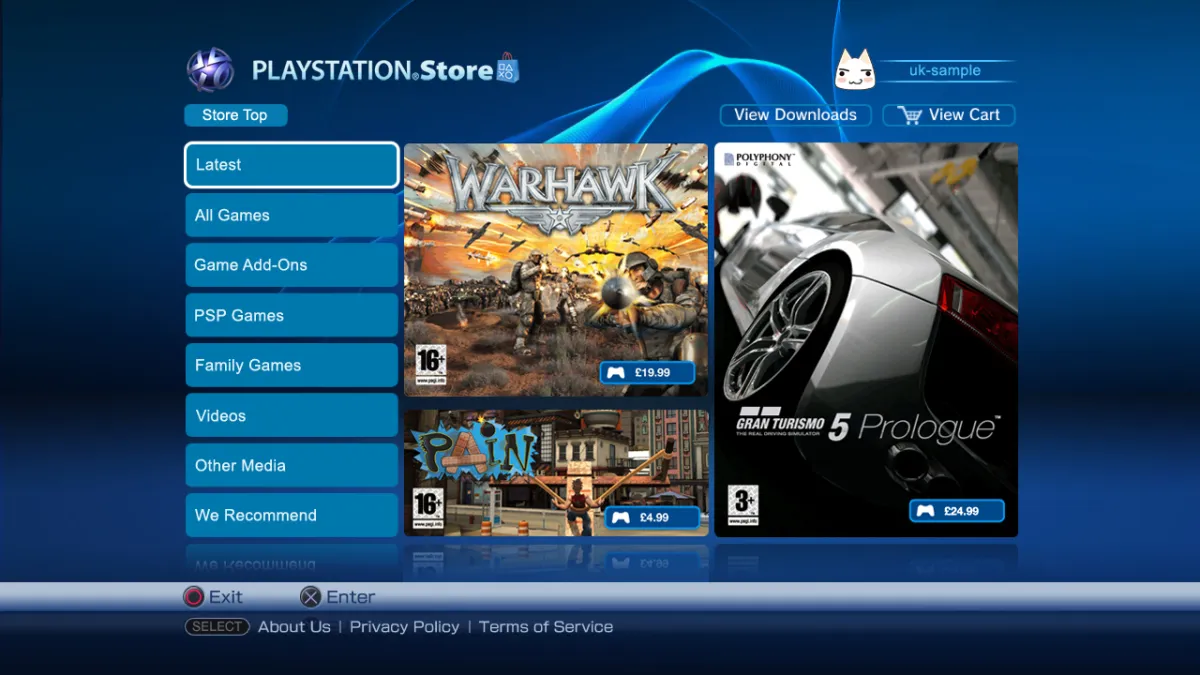 Photo: PlayStation Store, via news-cdn.softpedia.com
 Photo: Xbox Game Pass, via cms-assets.xboxservices.com
This isn't a personal failing. It's the logical response to a market that has trained consumers to expect constant, aggressive price drops. But this race to the bottom isn't just changing how we buy games — it's fundamentally breaking the economics that keep mid-tier developers alive.
The Psychology of the Perpetual Sale
Digital storefronts have turned game purchasing into a psychological experiment in delayed gratification and artificial scarcity. Steam's seasonal sales create buying frenzies around arbitrary calendar events. PlayStation's "Flash Sales" manufacture urgency around discounts that will probably return in a few weeks. Epic Games Store literally gives away premium games to condition users to expect free content.
The wishlist system amplifies this effect exponentially. Instead of impulse purchases at full price, platforms encourage users to add games to wishlists and wait for discount notifications. This transforms every potential sale into a waiting game where patience is rewarded and immediate purchases feel foolish.
The data bears this out. According to industry analytics, the average Steam user has 40+ games in their wishlist and waits an average of 8.3 months before purchasing. PlayStation Store data shows similar patterns: users who add games to their wishlist are 73% less likely to purchase at full price, but 340% more likely to buy during a sale event.
The Mid-Tier Massacre
While AAA publishers can absorb the hit from delayed revenue — they have marketing budgets to drive day-one sales and diversified revenue streams to cushion the blow — smaller developers are getting crushed by this new reality. A mid-tier studio that needs to recoup its $2 million development budget can't wait eight months for sales to normalize. They need immediate revenue to pay staff, fund their next project, and simply survive as a business.
Consider the math: if a $40 indie game sells 10,000 copies at full price on launch day, that generates $400,000 in revenue (minus platform fees). But if those same customers wait for a 50% sale, the developer needs to sell 20,000 copies to hit the same revenue target. Double the marketing costs, double the customer acquisition effort, for the same financial result.
This dynamic is creating a bifurcated market where only blockbuster AAA titles and ultra-cheap indie games can succeed. The middle tier — games with $20-60 price points and moderate production values — is being squeezed out of existence by consumer expectations that everything will eventually be cheap or free.
Platform Incentives vs. Developer Survival
Platform holders profit from this discount culture because they take a percentage of every sale, regardless of price. Whether a game sells for $60 or $6, Steam, PlayStation, and Xbox get their 30% cut. More sales at lower prices can actually increase their total revenue while destroying developer margins.
The platforms also benefit from the engagement and retention that constant sales drive. Flash sales and limited-time offers keep users checking storefronts regularly. Sale events become content in themselves, generating social media buzz and user-generated content as players share their hauls and deals.
Meanwhile, developers watch their games get devalued in real-time. A title that took three years to develop and cost $5 million to make ends up in a "90% Off" bundle alongside dozens of other games, valued at less than a coffee. The psychological impact on creative teams is devastating — their work literally becomes worth pennies in the market they created it for.
The Subscription Acceleration
Game Pass, PlayStation Plus, and similar services have accelerated this devaluation trend by conditioning users to expect access to hundreds of games for the price of a single AAA title. While these services provide valuable exposure for smaller developers, they also reinforce the perception that individual games have little intrinsic value.
The subscription model creates a new form of price anchoring where $15/month for unlimited games makes any individual purchase above that threshold feel expensive. Why buy one $30 indie game when that same money gets you access to hundreds of titles for two months?
Developers who join these services face their own catch-22: the exposure can be valuable, but the per-play payouts are often a fraction of what they'd earn from direct sales. They're trading long-term revenue potential for immediate visibility in an increasingly crowded marketplace.
The Regional Price Manipulation
Digital distribution has also enabled sophisticated regional pricing strategies that further complicate the discount ecosystem. A game might cost $60 in the US, $40 in Eastern Europe, and $20 in Southeast Asia. VPN-savvy consumers quickly learned to exploit these differences, forcing publishers to implement region-locking that often punishes legitimate customers.
This regional arbitrage has created a global race to the bottom where publishers feel pressure to match the lowest regional price to prevent unauthorized resale. The result is that premium pricing becomes unsustainable even in wealthy markets where consumers could afford full prices.
Breaking the Cycle
Some developers are experimenting with alternative models to escape the discount trap. Limited-edition releases create artificial scarcity that justifies premium pricing. Early access programs allow developers to charge full price for incomplete games, then maintain that pricing as content is added. Season passes and DLC extend the revenue tail beyond the initial sale window.
But these solutions often feel like band-aids on a fundamentally broken system. They require developers to become experts in psychological manipulation and artificial scarcity rather than focusing on creating great games.
The Real Cost of Cheap Games
The ultimate irony of the discount culture is that it may be destroying the diversity and creativity that makes gaming special. When only blockbuster franchises and ultra-cheap indies can survive, the industry loses the experimental mid-budget games that often produce the most interesting and innovative experiences.
Every time we wait for a sale, we're making a small bet that the game will still be relevant and the developer will still exist when we finally decide to buy. For AAA titles, that's probably safe. For smaller developers operating on razor-thin margins, our patience might be the difference between their next game existing or not.
The platforms have trained us to be smart consumers who never pay full price. But in a creative industry where initial sales often determine whether developers can afford to keep making games, being a smart consumer might mean being a shortsighted one. The discount trap isn't just changing how we buy games — it's changing which games get made in the first place.