
When you roll credits on most AAA games in 2026, you're not finishing the experience — you're graduating from the tutorial. What was once considered post-game content has quietly become the primary product, with base campaigns serving as elaborate onboarding sequences for the real meat of modern gaming: the endgame economy.
This isn't about DLC or expansions anymore. This is about a fundamental shift in how major publishers design their core products, where the most compelling content, meaningful progression, and social experiences are deliberately gated behind dozens of hours of what amounts to extended training.
The 30-Hour Paywall
Look at any major release from the past two years. Destiny 2's latest expansions front-load story missions that barely scratch the surface of their raid mechanics. Diablo IV's campaign teaches you basic combat while the real character building happens in Nightmare dungeons and seasonal content. Marvel's Avengers — before its quiet shutdown — made players slog through a single-player campaign to access the multiplayer endgame that was clearly the developer's focus.
The pattern is unmistakable: publishers are selling you a $70 appetizer and making you work 30+ hours to reach the entrée you actually paid for.
"We're seeing games where the campaign is basically a really expensive demo," says former Activision producer Sarah Chen, who worked on three major franchise launches before leaving the industry in 2025. "The metrics teams know exactly when player retention spikes, and it's almost always post-credits. So they design backwards from that point."
The Metrics That Changed Everything
Internal data from major publishers — leaked during the recent Tencent breach — reveals the cold mathematics behind this shift. Games with substantial endgame content show 340% higher lifetime value per player compared to traditional single-player experiences. More tellingly, 78% of players who reach endgame content continue playing for at least six months, compared to just 12% who stop after completing the main story.
These aren't just live-service games anymore. Single-player franchises are adopting endgame design philosophy through New Game Plus modes with exclusive content, post-story character progression, and seasonal updates that add "endgame-style" challenges to traditionally linear experiences.
When Finishing Means Starting
The psychological impact runs deeper than playtime metrics. Modern game design has trained players to view completion differently. Rolling credits no longer signals the end of an experience — it signals access to the "real" game.
Elden Ring's multiple endings and New Game Plus modes. God of War Ragnarök's post-story realm exploration. Horizon Forbidden West's endgame machine hunting challenges. These aren't bonus content anymore; they're where the developers clearly spent their design budget and creative energy.
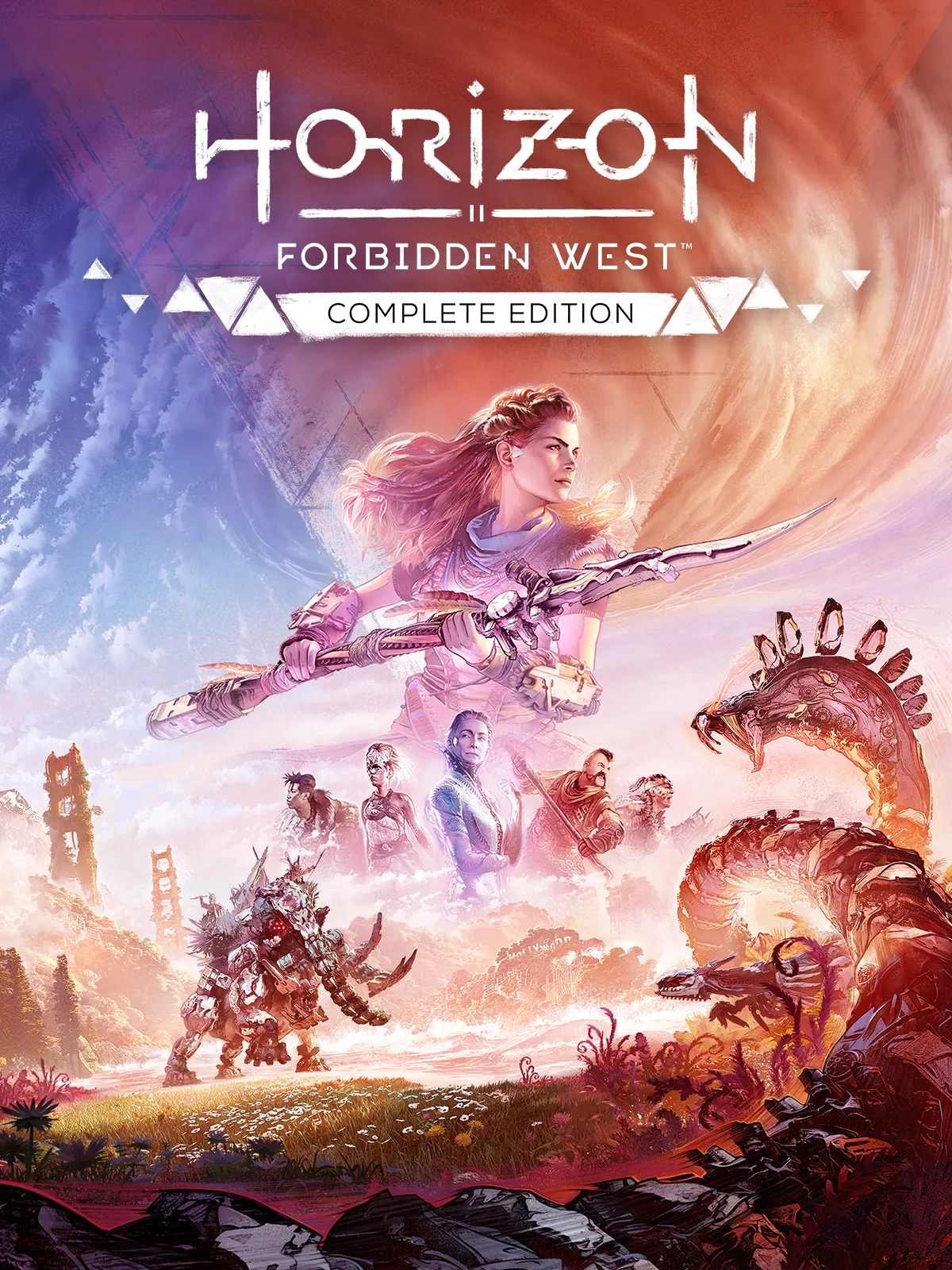 Photo: Horizon Forbidden West, via cdn1.epicgames.com
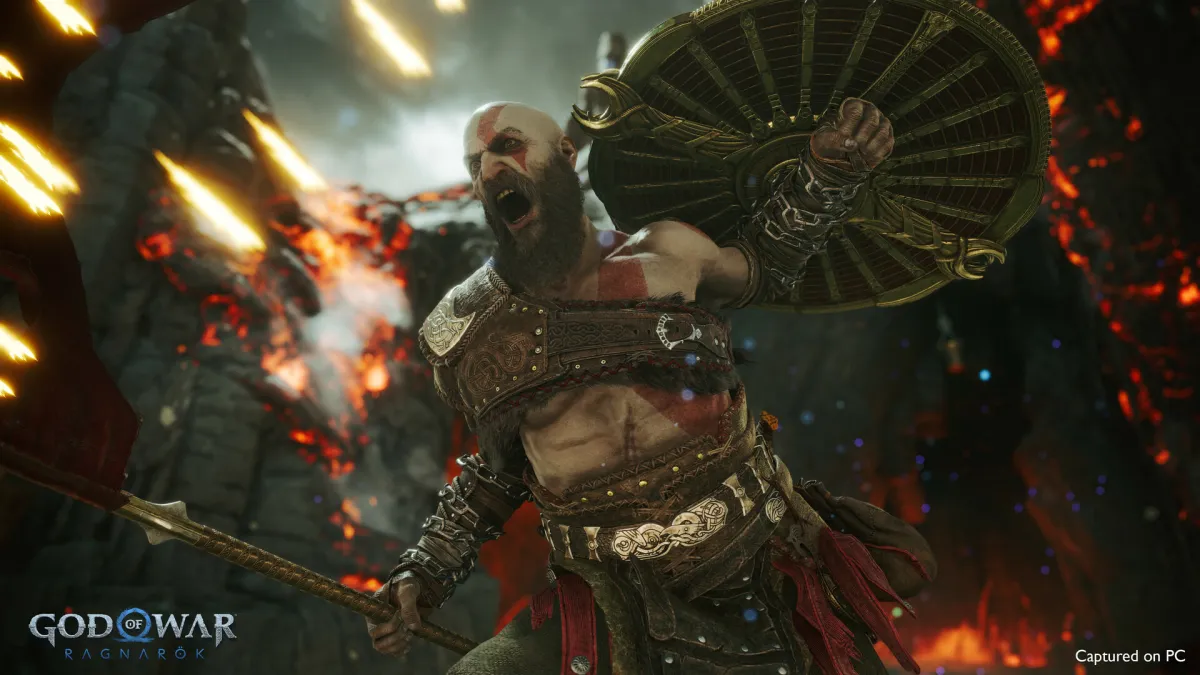 Photo: God of War Ragnarök, via img.gg.deals
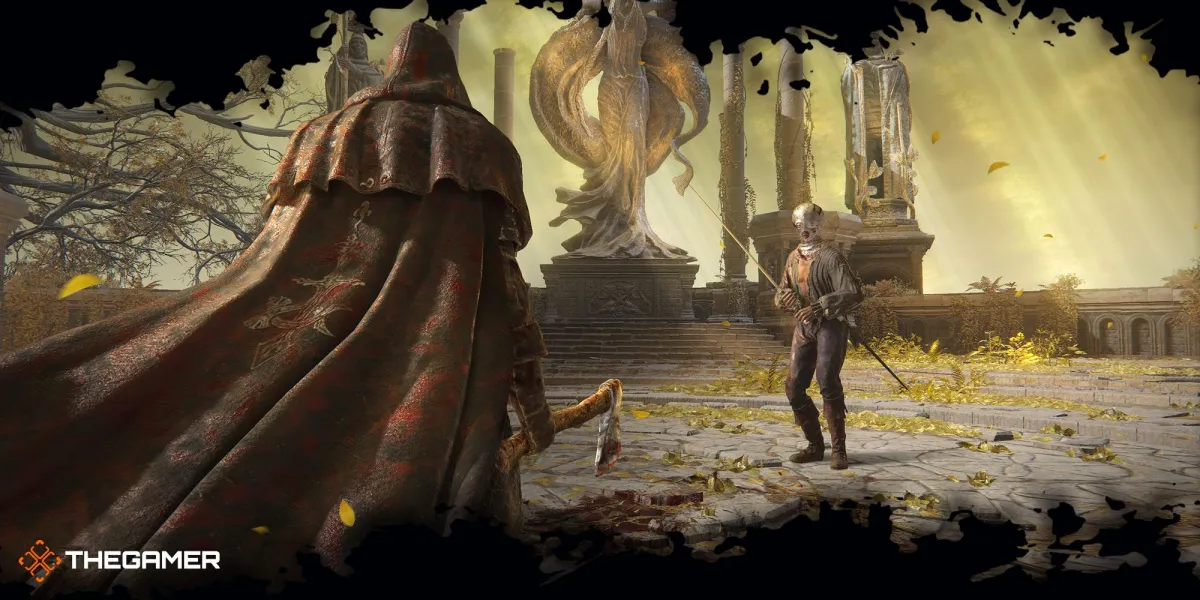 Photo: Elden Ring, via static1.thegamerimages.com
"Players now expect the endgame," explains game design consultant Marcus Rodriguez. "If you launch a 20-hour single-player game with a definitive ending, reviews will ding you for 'lack of content' even if those 20 hours are perfectly crafted. The market has been conditioned to measure value in endless progression, not narrative satisfaction."
The Social Engineering
The endgame economy isn't just about content volume — it's about social retention. Multiplayer raids, seasonal events, and competitive leaderboards create communities that extend far beyond individual gaming sessions. Players invest in Discord servers, streaming content, and social media discussions around endgame strategies in ways they rarely do for traditional campaigns.
This social layer transforms games from products into platforms. When your guild depends on your participation in weekly raids, when your Twitch audience expects endgame content streams, when your friend group coordinates around seasonal events — you're not just playing a game anymore. You're participating in a social economy where the endgame serves as both currency and meeting ground.
The Creative Casualties
The shift toward endgame-centric design has measurable impacts on creative development. Budget allocation increasingly favors systems and mechanics over narrative content. Voice acting budgets shrink while UI/UX teams expand. Environmental artists focus on replayable spaces rather than unique set pieces.
"We had to cut three story missions to fund the loot system redesign," admits one developer who worked on a major 2025 release, speaking on condition of anonymity. "The publisher's data showed that players spent 80% of their time in endgame activities, so that's where the resources went. It's hard to argue with those numbers, even when you know the story missions were some of your best work."
The Price of Endless Content
This design philosophy comes with hidden costs that extend beyond development priorities. Players report feeling obligated to continue playing games long after their initial enjoyment has waned, driven by social commitments and fear of missing out on time-limited endgame content.
The psychological term "completion anxiety" has entered gaming discourse, describing the stress players feel when endgame content updates faster than they can consume it. When finishing a game means starting an endless progression loop, the concept of completion becomes meaningless.
Fighting Back Against Forever Games
Some studios are pushing back against the endgame economy. Indie developers increasingly market "complete" experiences with definitive endings. Pizza Tower, Cocoon, and Sea of Stars explicitly promise contained experiences without post-credits progression hooks.
Even some major publishers are experimenting with "campaign-first" design. Sony's recent single-player exclusives have largely resisted endgame bloat, focusing on crafted experiences with natural conclusion points.
The Real Question
The endgame economy raises fundamental questions about what we want from interactive entertainment. Are we buying games or signing up for lifestyle commitments? Is endless content inherently more valuable than focused experiences?
As the industry continues prioritizing retention metrics over creative satisfaction, players face a choice: embrace the endless progression loop or seek out the increasingly rare games that still believe in the power of saying "The End."
The endgame economy isn't going anywhere — the financial incentives are too strong and player behavior too predictable. But recognizing it for what it is — a business model disguised as game design — might help us make more informed choices about where we invest our time and money in 2026's increasingly crowded release calendar.