The Fidelity Paradox: Why AAA PC Games Are Pushing Harder Visually While Costing Players Less to Buy
Something is off about the numbers in PC gaming right now, and it's the kind of off that's worth paying attention to.
On one side of the ledger: development budgets for AAA PC releases are continuing to climb. Studios are leveraging path tracing, AI-driven upscaling technologies, and increasingly sophisticated simulation systems to push visual fidelity into territory that would have been implausible on consumer hardware even three years ago. The engineering investment required to make that work — across a hardware ecosystem as fragmented as the PC market — is not cheap.
On the other side: the actual price consumers are paying for these experiences, when you account for regional competition, subscription service inclusion, and aggressive promotional pricing, is trending in a direction that doesn't align with those rising budgets. In some cases, it's trending downward. That's the paradox. And understanding it requires pulling on a few different threads simultaneously.
The Hardware Shift That Changed the Equation
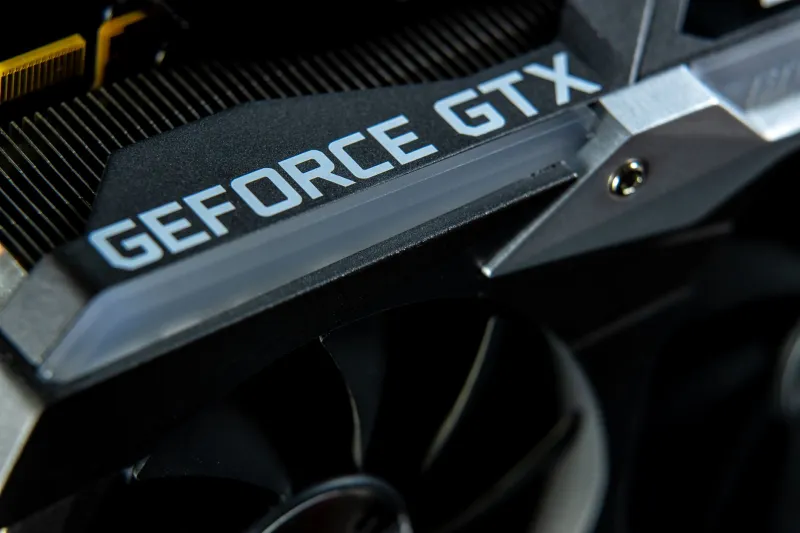
The graphics card market looks meaningfully different in 2026 than it did during the shortage-era chaos that dominated the early part of the decade. Availability has normalized. The mid-range GPU segment — the cards that the majority of PC gamers actually buy — has become significantly more capable relative to its price point. Upscaling technologies from multiple vendors have matured to the point where the gap between a high-end and mid-range visual experience has narrowed substantially.
This has done something important to consumer expectations. Players who previously accepted lower settings as the cost of entry are now expecting a genuinely premium visual experience from mid-range hardware. The implicit contract between developer and player has shifted: 'this game looks incredible' used to be a high-end exclusive selling point. Now it's closer to a baseline expectation across a broader hardware tier.
For studios, that's a double-edged development. The good news: your game's best visuals are accessible to more people than ever before. The complication: the players who used to feel like they were getting a premium product by maxing out settings now need you to push further to give them that same sense of ceiling-hitting achievement. The arms race accelerates even as the floor rises.
Why Prices Are Bending in an Unexpected Direction
The conventional wisdom said that as budgets climbed, prices would follow. The $70 standard for AAA releases was supposed to be a floor, not a ceiling — with some publishers openly discussing $80 or $90 price points for their biggest releases. That conversation has gotten quieter in 2026, and in the PC space specifically, the market dynamics are pushing against premium pricing in ways that are hard to ignore.
Subscription services are the most significant factor. When a AAA title launches into a service like Game Pass on day one, the effective price for a meaningful percentage of the potential audience is zero marginal cost — they're already subscribed. Publishers negotiating those deals are making a calculation about volume versus per-unit revenue, and the math has apparently been working well enough that the practice has expanded rather than contracted.
Beyond subscriptions, the PC market's global nature creates pricing pressure that console markets are somewhat insulated from. Regional pricing in key markets — and the relative ease with which PC players can access those regional prices through various means — creates a de facto ceiling on what publishers can charge in Western markets without triggering comparison shopping at scale.
The result is a market where the sticker price on a visually ambitious AAA PC release is, in many cases, softer than the development investment would suggest it needs to be.
The Optimization Question
Here's where the paradox gets thorny for developers. Pushing visual fidelity on PC is expensive not just because of the art and engineering required to create those assets, but because of the optimization work required to make them run acceptably across the platform's hardware diversity. A console release targets known hardware. A PC release targets everything from aging mid-range laptops to enthusiast rigs with four-figure GPU investments, and it has to be playable across that entire spectrum.
When budgets are under pressure — because pricing isn't scaling with development costs — optimization is often where studios look to trim. It's less visible than a missing feature or a cut story beat, and it's genuinely difficult to quantify in a marketing context. The consequence is a pattern that PC players know all too well: gorgeous games that run like molasses on hardware that should handle them, or that require extensive configuration to find a stable experience.
The tension between 'push the fidelity envelope to meet rising expectations' and 'optimize thoroughly enough that the experience is actually good' is being resolved in 2026 by some studios in ways that favor the former at the expense of the latter. That's a choice with consequences — and the PC gaming community, which has a long memory for launch-state performance disasters, is not a forgiving audience when those consequences arrive.
Console Parity and the PC Advantage Problem
Another layer of the paradox: as cross-platform development has become the industry norm, the PC version of a game is increasingly built to a console-first architecture and then scaled upward. That's an efficient production model. It's also one that can leave the PC version feeling like an enhanced console port rather than a platform-native experience — which is a harder sell to a PC audience that increasingly has the hardware to demand more.
The studios that are finding the right balance in 2026 are the ones treating PC not as a secondary platform to be ported to, but as a primary audience with specific expectations around scalability, performance options, and visual headroom above the console baseline. That requires investment. And investment requires a business model that supports it — which brings us back to the pricing problem.
Where This Goes From Here
The fidelity paradox isn't sustainable indefinitely. Studios can't keep increasing the visual and engineering ambition of their PC releases while the revenue per unit stays flat or declines. Something has to give — and the candidates are: development scope, optimization investment, or pricing structure.
The most likely resolution isn't a single dramatic shift but a gradual recalibration. Subscription service terms are already being renegotiated in ways that are shifting more revenue back toward publishers. The mid-budget segment — which we've covered extensively at Critical Rollout — is finding an audience that's comfortable with slightly lower fidelity targets in exchange for tighter, more optimized experiences. And the enthusiast PC segment, which has always been willing to pay premium prices for premium experiences, may see more targeted releases that treat the high-end hardware tier as a genuine creative platform rather than a spec checkbox.
For now, though, players are in an unusual position: getting more visual ambition than ever before, at prices that don't fully reflect what it cost to build. That's a good deal, right up until the studios that are absorbing the difference decide they can't anymore.
Enjoy the paradox while it lasts. The rollout on this one is going to get complicated.