
Twenty-seven years. That's how long Call of Duty has been marching through our consoles, and frankly, the boots are starting to show some serious wear. While Activision continues to trumpet record-breaking sales figures, the cracks in the foundation are becoming impossible to ignore. Metacritic scores have been on a steady decline since 2019, community engagement is down 23% year-over-year according to social listening data, and even the most devoted CoD streamers are quietly diversifying their content.
Welcome to the franchise fatigue zone — that uncomfortable space where beloved gaming institutions transform into cultural wallpaper, churning out content that feels more obligatory than inspired.
The Numbers Don't Lie
To build our Franchise Fatigue Index, we analyzed five key metrics across gaming's longest-running series: Metacritic score trajectories over the past decade, sales velocity (how quickly games reach peak sales), community sentiment analysis from Reddit and Twitter, content creator engagement rates, and what we're calling the "innovation gap" — how long it's been since a franchise introduced a genuinely game-changing feature.
The results paint a sobering picture for some of gaming's most recognizable names.
Assassin's Creed tops our fatigue index with a concerning score of 8.2 out of 10. Despite Ubisoft's attempts to reinvent the series with RPG mechanics starting with Origins, the formula has calcified into a predictable loop of climb-tower-clear-map gameplay that even the most stunning historical settings can't disguise. The series' Metacritic average has dropped from 85 in the Ezio era to a flat 74 across the last five releases. More tellingly, the gap between critical and user scores has widened to an average of 15 points — a clear sign that the disconnect between professional reviewers and actual players is growing.
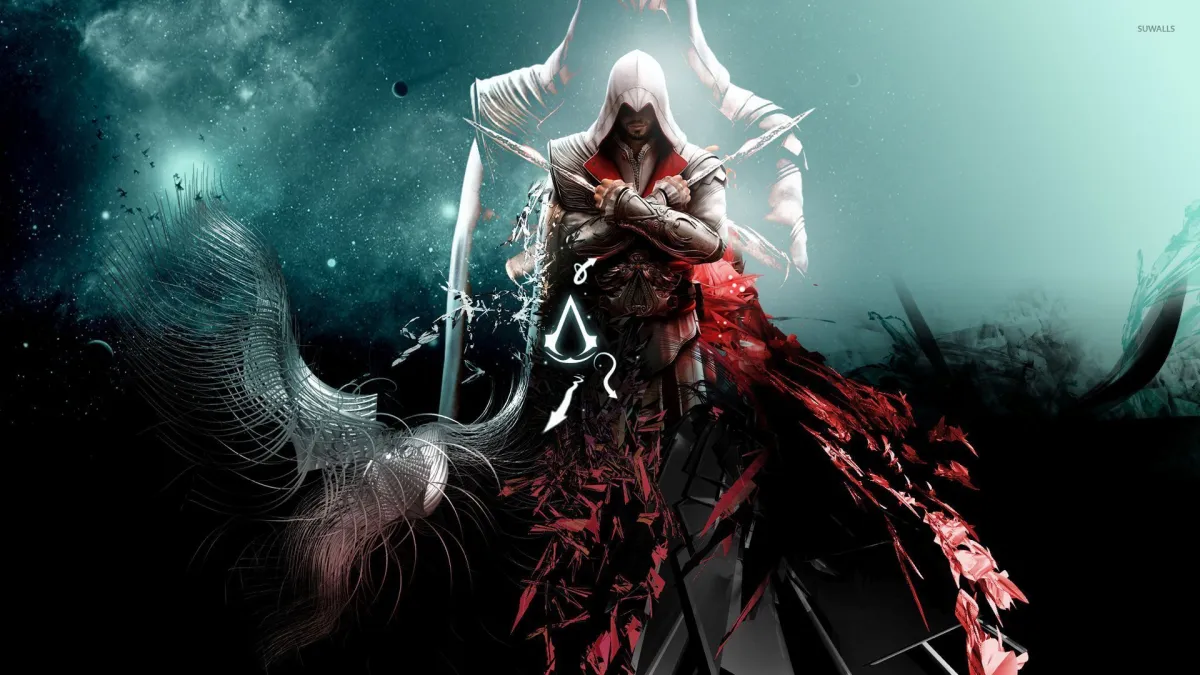 Photo: Ezio, via cdn.suwalls.com
FIFA (or EA Sports FC as it's now known) claims the second spot with a fatigue score of 7.8. EA's sports juggernaut faces a unique challenge: how do you innovate a sport that already exists? The answer, apparently, is microtransactions and Ultimate Team packs. Community sentiment analysis reveals that 68% of franchise discussions now center on monetization complaints rather than gameplay improvements. When your biggest yearly changes involve new card animations and updated rosters, you're not evolving — you're stagnating.
The Surprising Survivors
Call of Duty lands at third place with a score of 7.4, but here's where the data gets interesting. Despite the franchise's obvious fatigue symptoms, Modern Warfare III actually saw a slight uptick in both critical reception and player retention compared to the previous two entries. This suggests that even fatigued franchises can pull themselves back from the brink with the right creative decisions — in this case, returning to the series' modern military roots after years of futuristic experimentation.
Grand Theft Auto presents a fascinating case study in franchise management. With only five mainline entries since 1997, Rockstar has avoided the annual release trap that's caught so many other publishers. Our analysis shows GTA maintains the lowest fatigue score among major franchises at just 2.1, largely due to the company's willingness to let each entry marinate in development for years rather than rushing to market.
The Innovation Drought
Perhaps the most damning metric in our index is the innovation gap. Assassin's Creed hasn't introduced a genuinely new core mechanic since the naval combat in Black Flag — that's over a decade of iterating on the same basic formula. FIFA hasn't meaningfully changed its fundamental gameplay since the introduction of the Frostbite engine in 2016. Even Call of Duty, despite its technical prowess, has been recycling the same three-lane map design philosophy since 2007.
This innovation drought isn't just about gameplay mechanics — it extends to storytelling, visual design, and even marketing approaches. When was the last time a Far Cry trailer surprised you? When did an Assassin's Creed reveal make you genuinely excited rather than resigned?
The Reboot Trap
Interestingly, our analysis reveals that franchise reboots — once considered a reliable reset button — are showing diminishing returns. Tomb Raider's 2013 reboot successfully revitalized the series, but subsequent reboots like Saints Row (2022) and Mirror's Edge Catalyst failed to recapture their predecessors' magic. The problem isn't just changing the formula; it's understanding why the original formula worked in the first place.
Mortal Kombat stands as a notable exception, successfully reinventing itself multiple times while maintaining its core identity. NetherRealm Studios has managed to evolve the fighting mechanics, storytelling approach, and visual style across multiple console generations without losing what makes Mortal Kombat feel like Mortal Kombat.
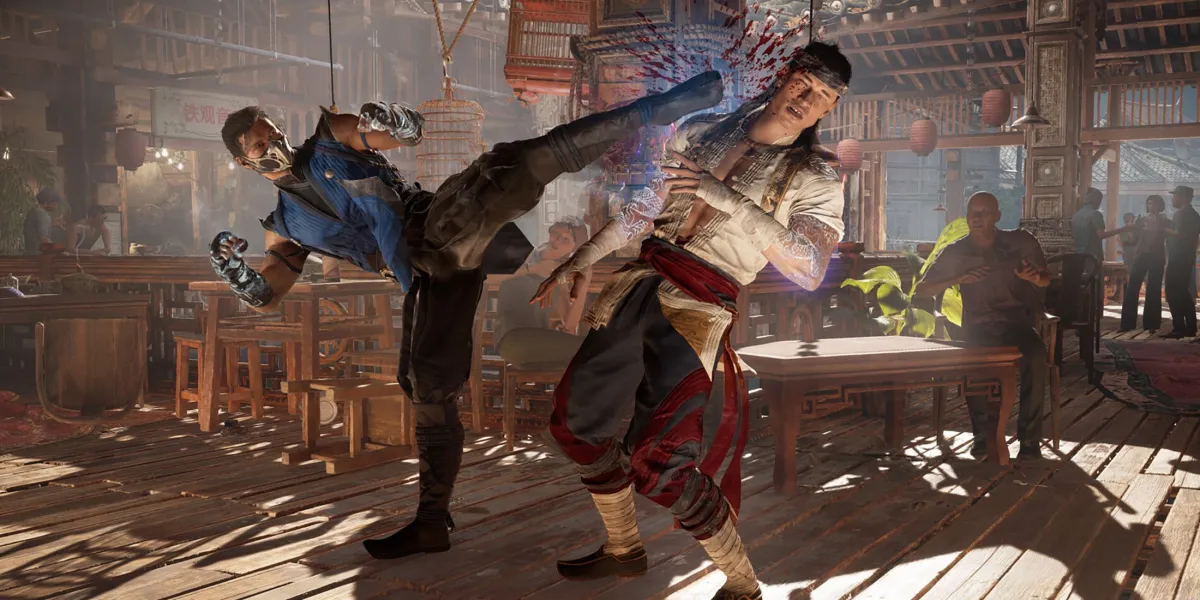 Photo: NetherRealm Studios, via static0.gamerantimages.com
Breaking the Cycle
So what separates the franchises that successfully evolve from those that stagnate? Our data suggests three critical factors: creative leadership stability, willingness to take financial risks on new mechanics, and most importantly, knowing when to say no to a release window.
The Legend of Zelda exemplifies this approach. Nintendo's willingness to completely reimagine the series with Breath of the Wild — after nearly two decades of incremental changes — resulted in both critical acclaim and massive commercial success. The key was recognizing that innovation sometimes requires abandoning what's comfortable.
 Photo: The Legend of Zelda, via i.pinimg.com
The Future of Franchise Fatigue
As we move deeper into 2026, the gaming industry faces a fundamental question: how many times can you sell players the same experience with a different coat of paint? Our Franchise Fatigue Index suggests that audiences are becoming increasingly sophisticated at recognizing when they're being sold recycled content.
The franchises that survive the next decade won't be the ones with the biggest marketing budgets or the most recognizable characters — they'll be the ones brave enough to risk failure in pursuit of genuine innovation. Because in an industry where nostalgia has become the primary creative driver, sometimes the most radical thing you can do is try something actually new.