Everything Everywhere All at Once: The Genre-Blending Wave Hitting Games in 2026 — and Why Nobody Can Agree If It's Working

Photo by Photo by Sam Pak on Unsplash on Unsplash
Everything Everywhere All at Once: The Genre-Blending Wave Hitting Games in 2026 — and Why Nobody Can Agree If It's Working
Picture the pitch meeting. "It's a farming sim," the developer says, "but with soulslike combat. And a battle royale mode. And the narrative depth of a JRPG." The publisher leans forward. The marketing team starts building the Venn diagram. And somewhere, a reviewer opens a blank document and stares at it for twenty minutes trying to figure out what category to file the review under.
This is 2026. The genre blender is running at full speed, and the results are equal parts exhilarating and exhausting.
The Blending Boom
Genre hybridization isn't new. Castlevania fused action-platformers with RPG progression in 1997 and accidentally named an entire genre after itself. Borderlands married shooters with loot-driven RPG systems in 2009. Dark Souls took action-RPG and wrapped it in a punishment philosophy borrowed from arcade games, creating a template so widely imitated it eventually got its own genre label.
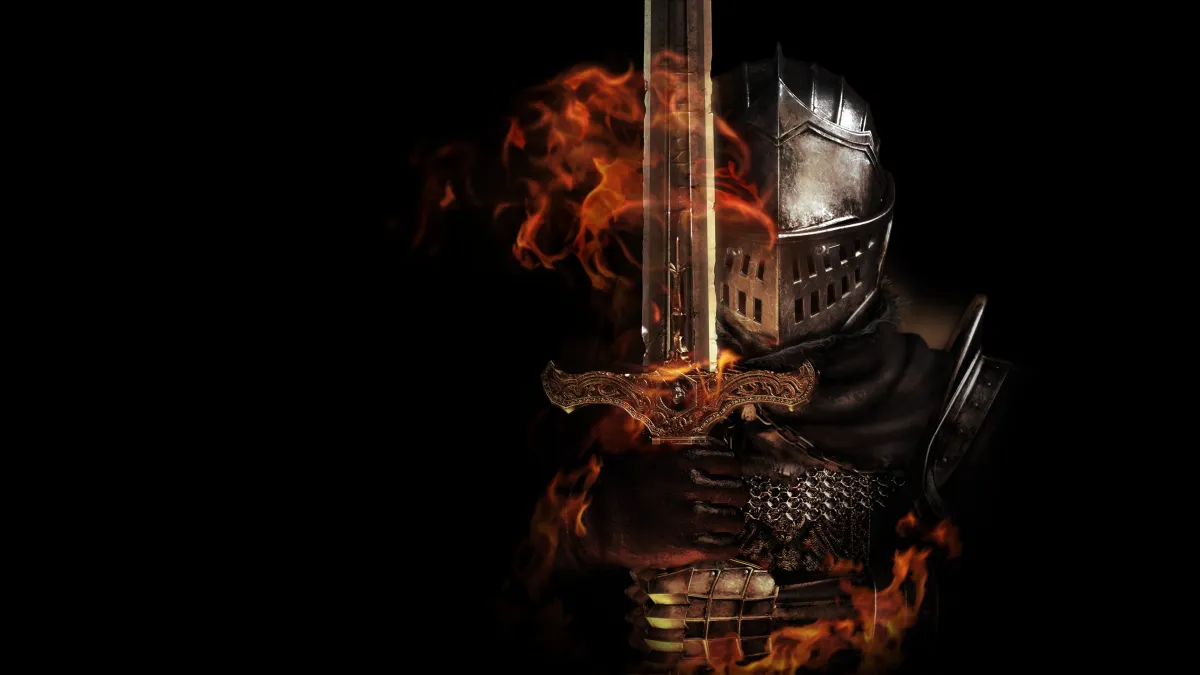 Photo: Dark Souls, via image.api.playstation.com
But what's happening in 2026 feels different in scale and, sometimes, in intent. The combinations are getting more extreme. The distance between the genres being fused is growing. And the frequency with which developers are reaching for multi-genre frameworks as a starting point — rather than arriving at them organically — suggests something has shifted in how games are being conceived and greenlit.
Part of this is algorithmic pressure. Streaming platforms, recommendation engines, and social media discovery all reward content that can be tagged with multiple identifiers. A game that is simultaneously a "roguelike," a "narrative RPG," a "base builder," and a "survival game" appears in more search results, captures more wishlists, and generates more "you might also like" placements than a game that is cleanly and only one thing. Publishers understand this. Increasingly, so do developers pitching to them.
When Fusion Works
To be clear: genre blending, when it's working, is producing some of the most genuinely exciting games of the current era. The best examples don't feel like two games bolted together — they feel like a single, coherent experience that couldn't have existed within the constraints of any one genre.
Think about the way the best "Metroidvania" titles use exploration and progression to make their worlds feel alive in a way that neither pure platformers nor pure RPGs quite manage. Or how the survival-crafting genre's best entries use resource management to create emotional investment in a story that would feel weightless without it. The fusion isn't decorative. It's structural. The genres are doing work for each other.
In 2026, there are games continuing in that tradition — titles where the blending feels purposeful, where the unusual combination creates friction and texture that neither genre could generate alone. These games tend to have a clear primary identity with secondary systems that serve it, rather than two equal halves competing for the player's attention.
When Fusion Fails
Then there's the other kind. The kind where you can see the Venn diagram in the design document. The kind where the soulslike combat exists in the farming sim not because it creates meaningful tension with the pastoral fantasy, but because "soulslike" is a tag that drives traffic. The kind where the battle royale mode was added six months before launch because the publisher wanted a live-service hook, and you can feel the seams.
These games have a particular texture. The systems don't talk to each other. Progress in one area doesn't meaningfully inform progress in another. The tonal whiplash between genres — brutal, unforgiving combat followed by cozy crop-planting — isn't intentional dissonance, it's just inconsistency. And players feel it, even when they can't always articulate what's wrong.
The review problem is real too. Critics struggle with games that can't be assessed against a single benchmark. Is the combat good for a farming sim? Well, yes, obviously — the bar is low. Is it good for a soulslike? Absolutely not. Which lens applies? Different reviewers make different calls, scores scatter across a wide range, and the Metacritic aggregate ends up meaning almost nothing. Meanwhile, players who bought based on the soulslike marketing feel cheated, and players who wanted a farming sim feel ambushed.
The Discoverability Trap
Here's the cruel irony of the multi-genre approach: the same algorithmic logic that makes genre blending attractive as a marketing strategy can make it catastrophic for discoverability once a game actually launches.
Recommendation engines are built on behavioral data — what people who bought X also bought, what people who played Y also played. A game that blends three genres doesn't fit cleanly into any of those behavioral clusters. It might appear in searches for all three genres, but it might also fail to fully satisfy the audience for any of them, leading to mixed user reviews that tank its algorithmic placement across the board.
The games that tend to survive this trap are the ones with strong word-of-mouth communities — players who loved the fusion experience and evangelized it aggressively enough to overcome the algorithmic ambiguity. But that's a high-variance outcome that depends on factors developers can't fully control.
What Players Actually Want
Talk to gamers about genre-blended titles and you'll hear two distinct responses, often from the same person. There's genuine excitement about games that do something unexpected, that refuse to be predictable, that offer an experience you couldn't have gotten from any individual genre. And there's a real fatigue with games that feel like they're trying to be everything to everyone, that lack a coherent identity, that mistake complexity for depth.
The dividing line, more often than not, is authorial confidence. The best genre-blended games feel like they were made by people who knew exactly what they were building and why. The worst feel like they were made by committee, with each genre element representing a different stakeholder's demand. Players can sense the difference, even when they're not consciously analyzing it.
The 2026 Verdict
Genre blending in 2026 is neither the creative salvation its advocates claim nor the cynical cash-grab its critics allege. It's a tool — a genuinely powerful one when wielded with purpose, and a genuinely destructive one when deployed without it.
The question developers and publishers need to ask isn't "what genres can we combine?" It's "what does this combination allow us to do that nothing else could?" If the answer is specific and compelling, the fusion might produce something memorable. If the answer is "reach a wider audience," the seams are going to show.
In a year full of games that refuse easy categorization, the ones worth your time are the ones that made you forget you were supposed to be categorizing them at all.