The Modding Middle Ground: How Fan-Made Fixes Are Quietly Becoming the Games Industry's Unofficial QA Department
When Cyberpunk 2077 launched in December 2020, it was the modding community that stepped in to fix what CD Projekt Red couldn't. Police AI that actually functioned, NPCs with believable routines, and performance optimizations that made the game playable on last-gen consoles — all delivered by unpaid fans working with reverse-engineered code. Fast-forward to 2026, and this pattern has become so normalized that players now expect modders to finish what developers started.
This isn't just about Bethesda games anymore. From Halo Infinite's missing features to Battlefield 2042's map design issues, the modding community has evolved from adding fun extras to providing essential quality-of-life improvements that should have shipped day one. The question isn't whether modders can fix broken games — it's whether they should have to.
From Hobby to Necessity
Modding used to be about creativity and experimentation. Players would add new weapons to Doom, create custom maps for Counter-Strike, or build entirely new campaigns for Warcraft III. These were passion projects that extended a game's lifespan and showcased what was possible when creativity met technical skill.
Today's modding landscape tells a different story. Browse the most popular mods for any major release from the past three years, and you'll find an uncomfortable truth: the top downloads aren't creative additions, they're fixes. Bug patches, performance optimizations, restored content that was cut before launch, and basic quality-of-life improvements that should have been standard features.
Take The Elder Scrolls V: Skyrim, a game that's been re-released more times than anyone can count. Thirteen years after its initial launch, the Unofficial Skyrim Special Edition Patch remains one of the most essential mods, fixing over 2,000 bugs that Bethesda never addressed across multiple re-releases. Players joke that modding Skyrim is a game unto itself, but the underlying reality is more troubling: fans are doing unpaid QA work that a billion-dollar company couldn't be bothered to complete.
 Photo: The Elder Scrolls V: Skyrim, via wallpapers.com
The Economics of Free Labor
Studio executives love to talk about "community engagement" and "player creativity," but they're less vocal about the economic reality of modding. When a fan spends hundreds of hours creating a mod that fixes fundamental gameplay issues, they're essentially providing free development work that would have cost the studio thousands in salaries and testing.
This dynamic has created a perverse incentive structure. Why invest in extensive QA testing when the community will identify and fix problems for free? Why include comprehensive accessibility options when modders will create them anyway? The result is a development culture that increasingly relies on post-launch community support to deliver a complete product.
Consider the case of Cities: Skylines, a city-building simulation that shipped with traffic AI so fundamentally broken that the game was nearly unplayable at scale. Rather than delaying the launch to fix these issues, Paradox Interactive released the game knowing that modders would likely solve the problem. They were right — Traffic Manager: President Edition became one of the most popular mods, essentially rewriting the game's core systems to function properly.
The Platform Problem
The rise of digital distribution platforms has complicated this relationship further. Steam Workshop, Nexus Mods, and similar services have made mod distribution easier than ever, but they've also created new forms of dependency. When a game's essential functionality relies on third-party mods, what happens when those mods break, become incompatible, or simply disappear?
This fragility became apparent when several high-profile mod authors pulled their work from Nexus Mods in 2021, citing burnout and lack of compensation. Suddenly, thousands of players found their heavily modded games unplayable, highlighting how precarious this unofficial support system really is.
Meanwhile, studios benefit from increased player retention and positive word-of-mouth generated by community fixes, without taking on any responsibility for maintaining that content. It's a risk-free arrangement for publishers and a labor-intensive commitment for modders who receive little more than download statistics and forum praise.
The Creative Casualties
Perhaps the most troubling aspect of this shift is what it's doing to modding culture itself. When the community's most talented creators are spending their time fixing broken launches instead of building creative projects, we all lose. The ambitious total conversions, innovative gameplay experiments, and artistic showcases that defined early modding culture are increasingly rare.
Look at the modding scene for any major release from the past five years, and you'll see this pattern repeated: the most downloaded mods address basic functionality, while creative projects struggle to find an audience. Players are too busy making their games work properly to explore what's possible when they work differently.
Finding the Balance
This isn't to say that all post-launch community support is problematic. Modding at its best represents a collaborative relationship between developers and players, where official tools and documentation enable creative expression that extends far beyond the original vision. Games like Minecraft, Kerbal Space Program, and Garry's Mod demonstrate what's possible when modding is treated as a feature rather than a crutch.
The distinction lies in intention and support. When developers ship incomplete games expecting the community to fix them, that's exploitation. When they provide robust modding tools and maintain stable platforms for community creativity, that's collaboration.
Some studios are beginning to recognize this difference. Larian Studios has been transparent about their post-launch support for Baldur's Gate 3, delivering substantial patches while also providing official modding tools. This approach treats modders as creative partners rather than unpaid QA testers.
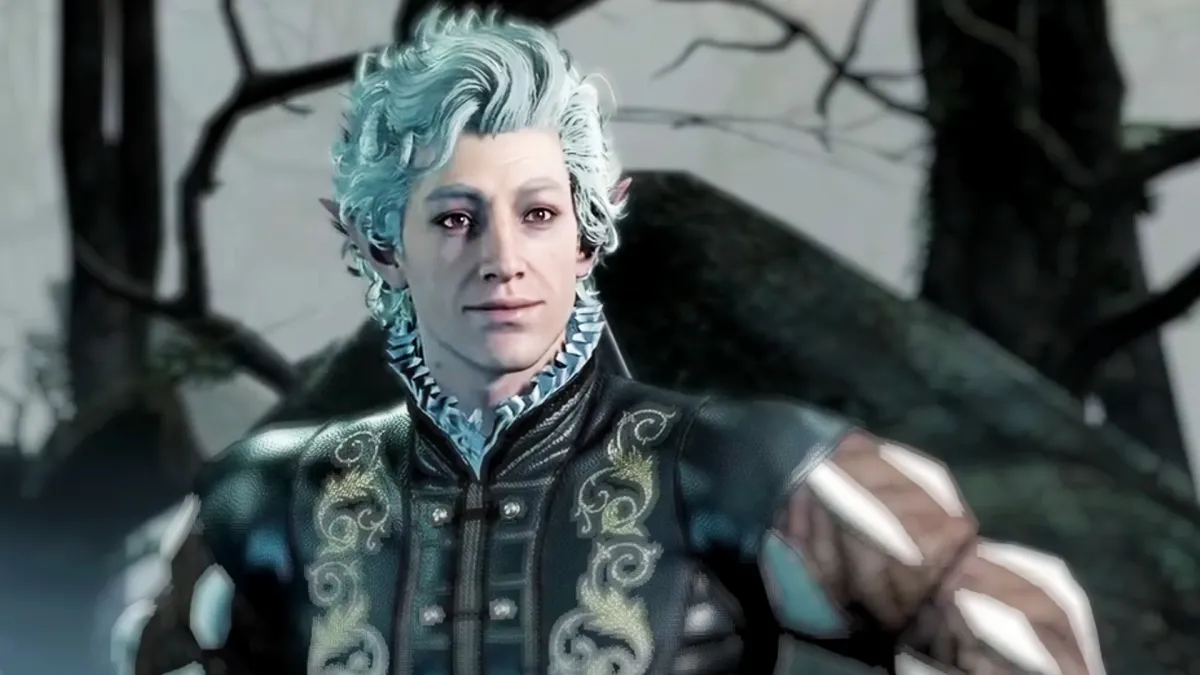 Photo: Baldur's Gate 3, via www.pcgamesn.com
The Path Forward
The solution isn't to eliminate modding — it's to restore the proper relationship between official development and community creativity. Studios need to take responsibility for shipping complete, functional games while still supporting the creative modding communities that can extend their lifespan.
This means better QA processes, more realistic development timelines, and a cultural shift away from the "fix it in post" mentality that has become too common in modern game development. It also means properly crediting and supporting modders who contribute significant improvements, whether through official partnerships, hiring opportunities, or revenue-sharing programs.
The modding community has proven time and again that they can enhance games in ways developers never imagined. But asking them to finish what studios started isn't collaboration — it's abdication of responsibility. Players deserve games that work out of the box, and modders deserve the chance to build something new rather than fix something broken.
Until studios recognize this distinction, we'll continue to live in a world where downloading a "bug fix compilation" is the first step in playing any major release — and that's a critical failure of the development process, not a feature of community engagement.