The Story So Far
Remember when buying a video game meant you got the whole story? Those days feel increasingly quaint as we navigate the live-service landscape of 2026, where the most compelling narrative beats are often locked behind seasonal battle passes, premium story tracks, and time-limited content drops that disappear forever if you miss them.
This isn't about cosmetic skins or weapon variants anymore. We're talking about critical plot developments, character backstories, and world-building moments that fundamentally alter your understanding of the game's universe — all gated behind additional purchases that can cost as much as the base game itself.
The New Normal
Look at how Destiny 2 has evolved its storytelling model. What started as expansions with clear narrative arcs has morphed into a system where seasonal storylines advance the overarching plot in ways that make previous content feel incomplete. Miss a season? You've missed crucial story beats that won't be repeated. The game's narrative has become a live television show where missing episodes leaves you permanently confused about character motivations and plot developments.
Fortnite's approach is even more aggressive. Epic Games has mastered the art of making their battle royale's evolving map and character crossovers feel like essential viewing. The Travis Scott concert wasn't just a marketing stunt — it was a canonical story moment that advanced the game's loose narrative framework. Players who didn't log in during that specific weekend missed a piece of the puzzle that won't be recreated.
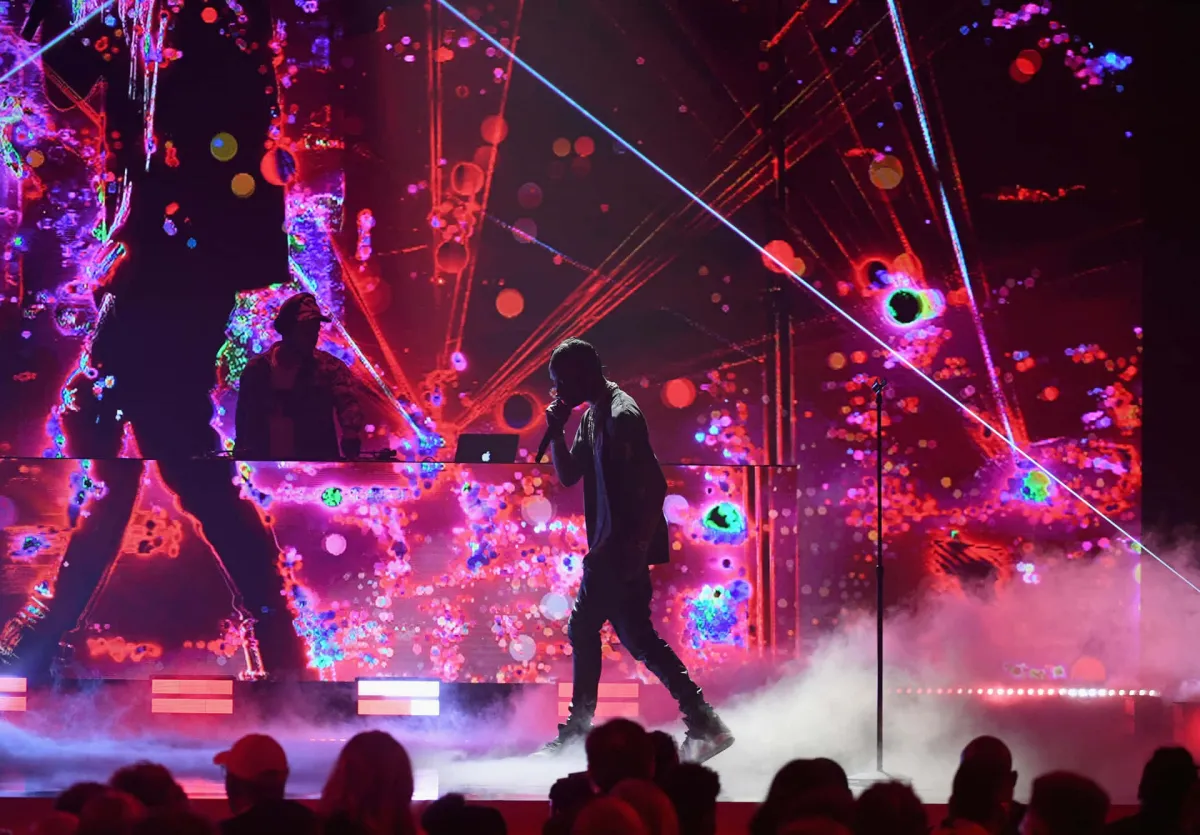 Photo: Travis Scott, via wallpapers.com
Apex Legends has taken this model and refined it into something more insidious. Each season's battle pass doesn't just contain cosmetics; it includes voice lines, character interactions, and lore entries that flesh out the relationships between legends. These aren't supplementary materials — they're core character development that makes the base game's story feel deliberately incomplete.
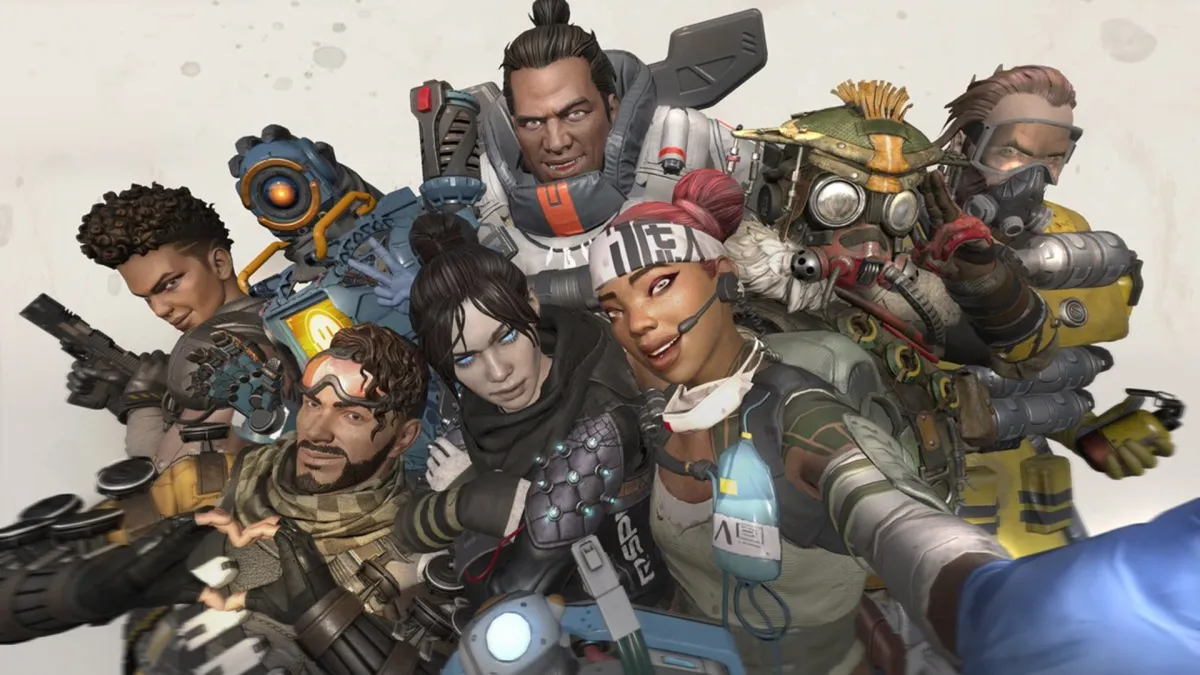 Photo: Apex Legends, via pley.gg
The Business Logic
The financial incentives are obvious. Traditional game sales create a revenue cliff after launch — studios pour years of development into a product that generates most of its money in the first few months. Live-service models with narrative hooks create recurring revenue streams that can sustain development teams indefinitely.
Studios argue they're providing more content than ever before. Where a traditional single-player game might offer 20-30 hours of story content, live-service games can deliver hundreds of hours across multiple seasons. The problem isn't quantity — it's accessibility and permanence.
The Player Cost
For players, this model creates a different kind of FOMO (fear of missing out) than simple cosmetic items. Missing a limited-time story event means permanently losing access to narrative content you can never experience again. It transforms gaming from a leisure activity into a part-time job with mandatory attendance.
The financial burden is equally problematic. A player who wants to experience the 'complete' story of a major live-service title might spend $200-300 annually on battle passes, story DLC, and premium narrative content. That's four full-price games worth of spending for what amounts to episodic content delivery.
The Fragmentation Problem
Perhaps more concerning is how this model fragments storytelling itself. Writers are now forced to create narratives that work as both standalone seasonal content and part of a larger ongoing story. The result is often unsatisfying — individual seasons feel incomplete while the overarching narrative becomes so diluted across multiple payment tiers that it loses coherence.
This is particularly evident in how character development is handled. Major character arcs are stretched across multiple seasons, with key moments locked behind premium tracks. Players who only engage with free content get a watered-down version of character relationships and motivations.
The Preservation Crisis
There's also a cultural preservation issue at play. When story content is time-limited, it creates a situation where future players — or even current players who took a break — can never experience the complete narrative. Unlike traditional games that remain playable decades later, live-service narratives are ephemeral by design.
This is already creating problems for gaming historians and preservationists. How do you document and preserve a story that only existed for a few months in 2026? What happens to these narratives when the servers inevitably shut down?
Finding the Middle Ground
Some studios are experimenting with more player-friendly approaches. Warframe has managed to maintain a live-service model while keeping core story content permanently accessible. New narrative content is added regularly, but players can experience it at their own pace without fear of missing crucial plot points.
Similarly, No Man's Sky has shown how ongoing content updates can enhance rather than fragment the core experience. Each major update adds to the existing framework rather than creating temporary narrative silos.
The Road Ahead
The industry needs to find a sustainable middle ground that respects both business realities and player expectations. This might mean separating cosmetic monetization from narrative content, or implementing systems that make time-limited story content accessible through alternative means.
Ultimately, the question isn't whether live-service games can tell compelling stories — they clearly can. The question is whether the industry will prioritize short-term revenue optimization over long-term narrative integrity and player satisfaction.
The Bottom Line
Live-service games have revolutionized how we think about ongoing content delivery, but they shouldn't revolutionize our expectations for complete storytelling. When studios hold core narrative content hostage behind time-limited paywalls, they're not just changing their business model — they're fundamentally altering the relationship between players and the stories they're trying to experience. That's a trade-off the industry needs to examine more carefully before it becomes the permanent new normal.