The Platform Trap: How Console Exclusivity Deals Are Quietly Shaping What Games You're Allowed to Play
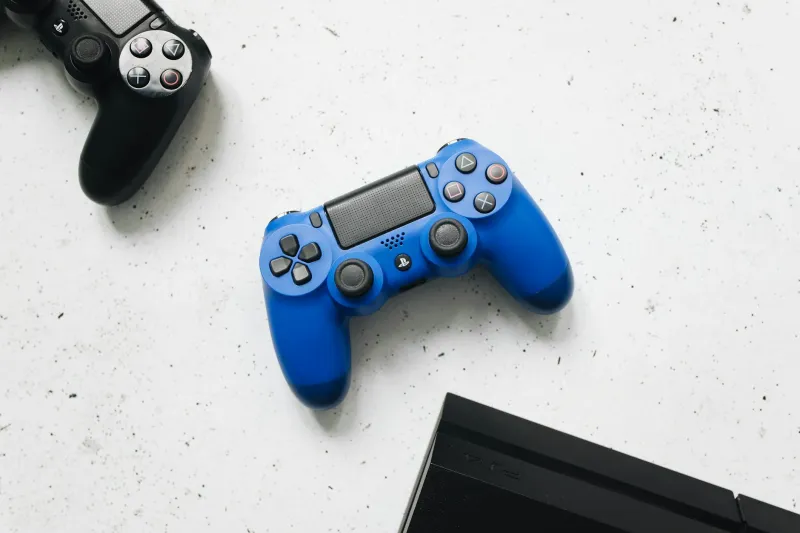
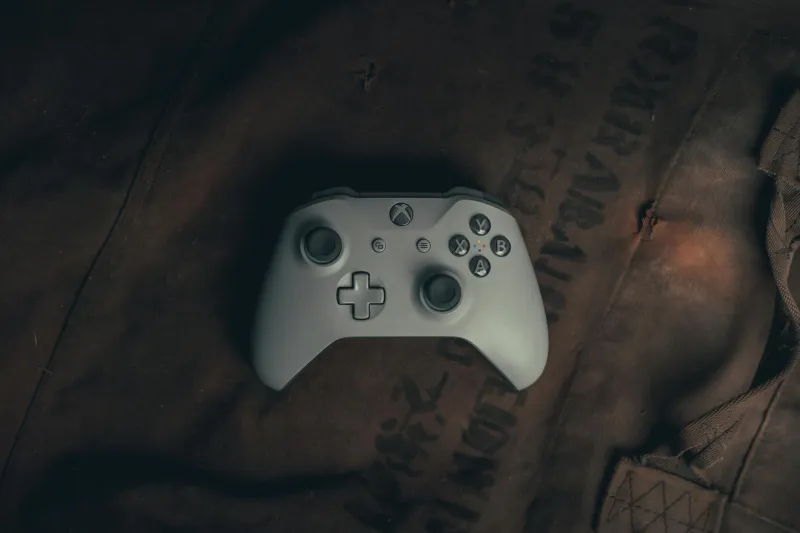
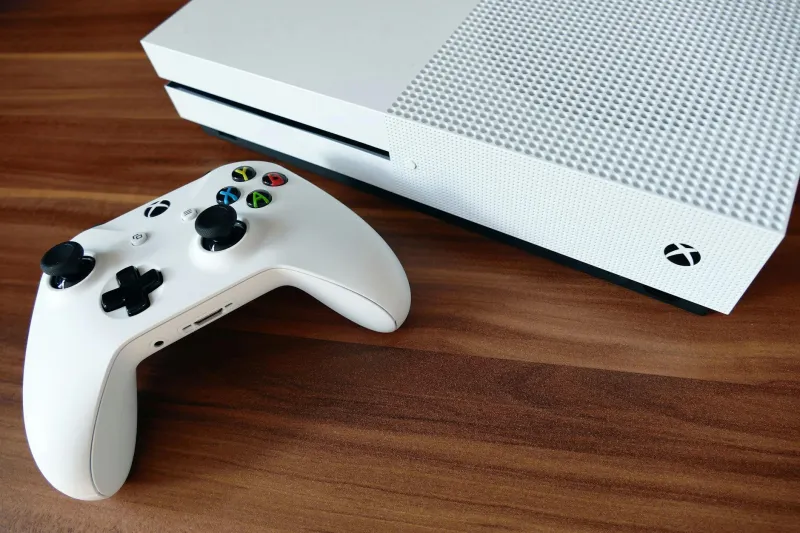
While gamers debate frame rates and loading times, the real battle for your gaming library is being fought in boardrooms with NDAs and million-dollar handshakes. In 2026, exclusivity deals have evolved from simple first-party showcases into a complex web of timed agreements, storefront politics, and financial incentives that quietly determine not just what games you can play, but when and where you're allowed to play them.
The numbers tell the story: Sony reportedly spent over $1 billion on third-party exclusivity deals in 2025 alone, while Microsoft's Game Pass partnerships have locked dozens of indie darlings behind subscription paywalls for months at a time. Meanwhile, Epic Games Store continues its weekly free game strategy, but increasingly those "free" titles come with 12-month exclusivity windows that keep them off Steam entirely.
The New Exclusivity Playbook
Gone are the days when exclusivity meant "this game will never come to other platforms." Today's deals are more surgical, more strategic, and arguably more consumer-hostile. Publishers now negotiate what industry insiders call "exclusivity packages" — multi-tiered agreements that can include early access windows, platform-specific content, marketing partnerships, and even review embargo timing.
Take the recent launch of Crimson Veil, a mid-budget action RPG that launched simultaneously on Xbox Game Pass and PlayStation Plus, but won't hit Steam for six months and Nintendo Switch for a full year. The developer, Nightfall Studios, didn't choose this release strategy — it was dictated by a complex three-way funding agreement where Sony covered 40% of development costs, Microsoft provided day-one Game Pass revenue guarantees, and Valve was simply outbid.
"We wanted to launch everywhere on day one," admits Nightfall's creative director in a recent podcast interview. "But when you're looking at guaranteed revenue versus the uncertainty of traditional sales, especially for a new IP, the math becomes pretty clear."
The Hidden Cost of Platform Wars
For players, these deals create artificial scarcity in an inherently digital medium. Unlike movie theaters or streaming services, where exclusivity often reflects production partnerships or distribution logistics, game exclusivity is purely financial — a way for platform holders to justify their ecosystems and force consumer loyalty.
The financial impact varies dramatically by region and gaming habits. A PlayStation 5 owner who also subscribes to Game Pass Ultimate is paying roughly $180 annually just for subscription access, before buying a single game. Add in the premium console hardware, and you're looking at a $700+ investment to avoid missing major releases.
But the real cost isn't monetary — it's fragmentational. Friend groups split across platforms can't share experiences. Streamers and content creators need multiple systems to cover major releases. PC players, traditionally the most open platform, now navigate a minefield of launcher exclusives, with major titles scattered across Steam, Epic, Game Pass PC, EA App, Ubisoft Connect, and Battle.net.
The Developer's Dilemma
From the development side, exclusivity deals have become essential survival tools, particularly for mid-tier studios. With development costs soaring and traditional publishing deals becoming increasingly restrictive, platform partnerships offer guaranteed revenue that can mean the difference between shipping a game and shutting down the studio.
"It's not about greed," explains one anonymous developer whose recent indie hit launched as an Epic exclusive. "When Epic offers you $2 million guaranteed versus the uncertainty of Steam sales, and you've got 15 employees depending on this project succeeding, you take the deal. The alternative might be no game at all."
This creates a particularly cruel irony: exclusivity deals, designed to drive platform adoption, often fund games that wouldn't exist otherwise. Players complaining about Epic exclusives might not realize they're criticizing the very mechanism that allowed their favorite indie game to reach completion.
The Subscription Trap
Perhaps the most insidious form of modern exclusivity is subscription-based access. Game Pass and PlayStation Plus have evolved from value-added services into essential utilities, with major releases increasingly designed around subscription economics rather than traditional sales.
When a big-budget game launches "free" on Game Pass, it's not actually free — it's pre-funded by Microsoft's subscription revenue and exclusivity payments. This model works brilliantly for subscribers, but creates a two-tiered gaming ecosystem where the "premium" experience requires multiple subscriptions, and individual game purchases feel increasingly expensive by comparison.
Breaking the Cycle
Some developers are pushing back. CD Projekt Red has maintained a platform-agnostic approach with their major releases, while smaller studios are experimenting with simultaneous multi-platform launches funded through crowdfunding and early access sales rather than exclusivity deals.
The EU's Digital Markets Act has also begun affecting gaming, with Apple forced to allow alternative app stores on iOS — a change that could eventually impact console ecosystems if regulators decide closed platform policies violate competition law.
The 2026 Reality Check
As we move deeper into 2026, the exclusivity landscape shows no signs of simplifying. If anything, the success of subscription services and the growing importance of day-one revenue guarantees suggest more games will launch with complex, multi-tiered release strategies.
For players, the message is clear: the golden age of "buy once, play anywhere" is over, replaced by an ecosystem where your platform choices determine your gaming reality. The real question isn't whether this is good or bad for the industry — it's whether consumers will continue accepting fragmentation as the price of innovation, or demand a return to genuine platform competition based on features rather than exclusive content libraries.
In a medium that should celebrate universal access to digital art, we've instead created digital fiefdoms where your gaming experience is determined by which corporate ecosystem you've pledged allegiance to.