I used to love games. Not in the way I love checking items off a grocery list or filling out spreadsheets — I mean actually love them. The way you love a great book that changes how you see the world, or a movie that stays with you for weeks afterward. But somewhere between my 47th collectible feather in Assassin's Creed and my 200th Korok seed in Breath of the Wild, I realized something had gone terribly wrong.
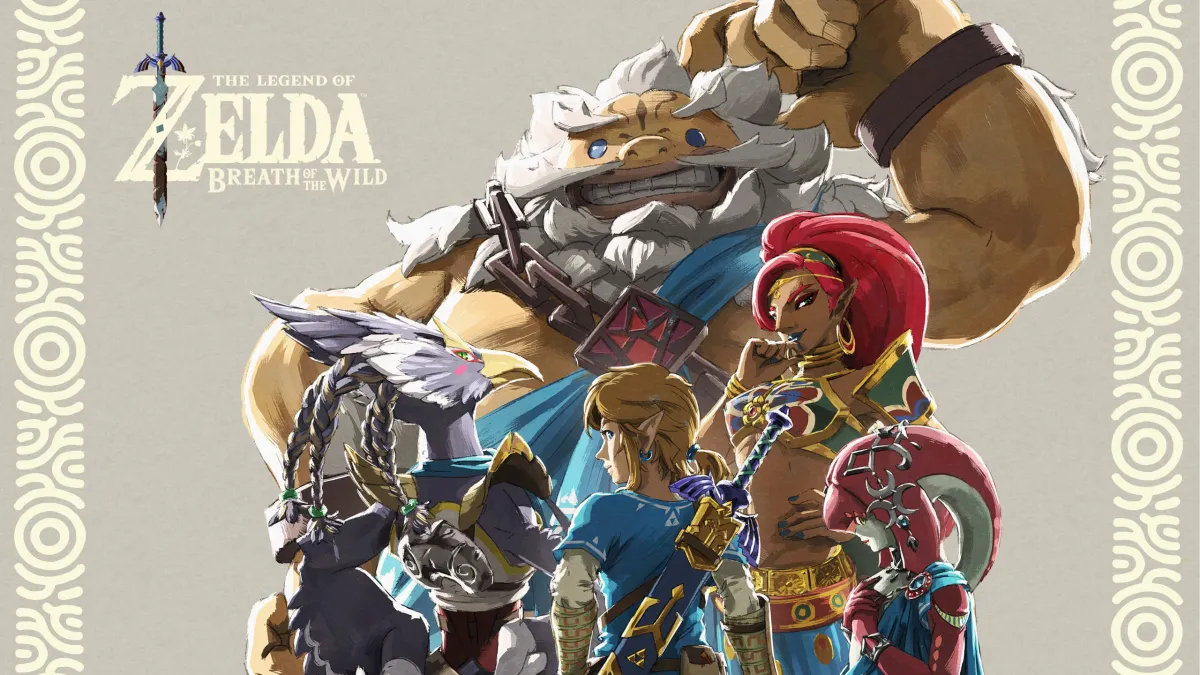 Photo: Breath of the Wild, via pixelz.cc
 Photo: Assassin's Creed, via www.watchmojo.com
We've turned art into accounting.
The Completionist Trap
When Sony introduced PlayStation Trophies in 2008, it seemed harmless enough. A little digital pat on the back for exploring every corner of your favorite games, a way to extend the life of experiences you didn't want to end. Xbox had been doing it with Achievements since 2005, and it felt like a natural evolution of the high score tables that had driven arcade culture for decades.
But eighteen years later, we're living in the dystopian endpoint of that system. Games aren't designed around compelling experiences anymore — they're designed around completion metrics. Every major release comes with a checklist of activities specifically engineered to pad playtime statistics and keep you grinding long after the credits roll.
Look at the data from 2026's biggest releases. The average AAA open-world game now contains 847 collectible items, up from 312 in 2020. Side quests have increased by 73% in the same period, but their average quality — measured by unique mechanics, narrative integration, and player satisfaction surveys — has dropped by 31%. We're getting more content, but it's objectively worse content designed primarily to fill progress bars.
Horizon Forbidden West exemplifies this problem perfectly. It's a gorgeous game with genuinely compelling robot dinosaur combat and a fascinating post-apocalyptic mystery. But it's also stuffed with 1,200+ collectibles spread across six different categories, most of which serve no narrative purpose and offer minimal mechanical reward. The platinum trophy requires finding every single one.
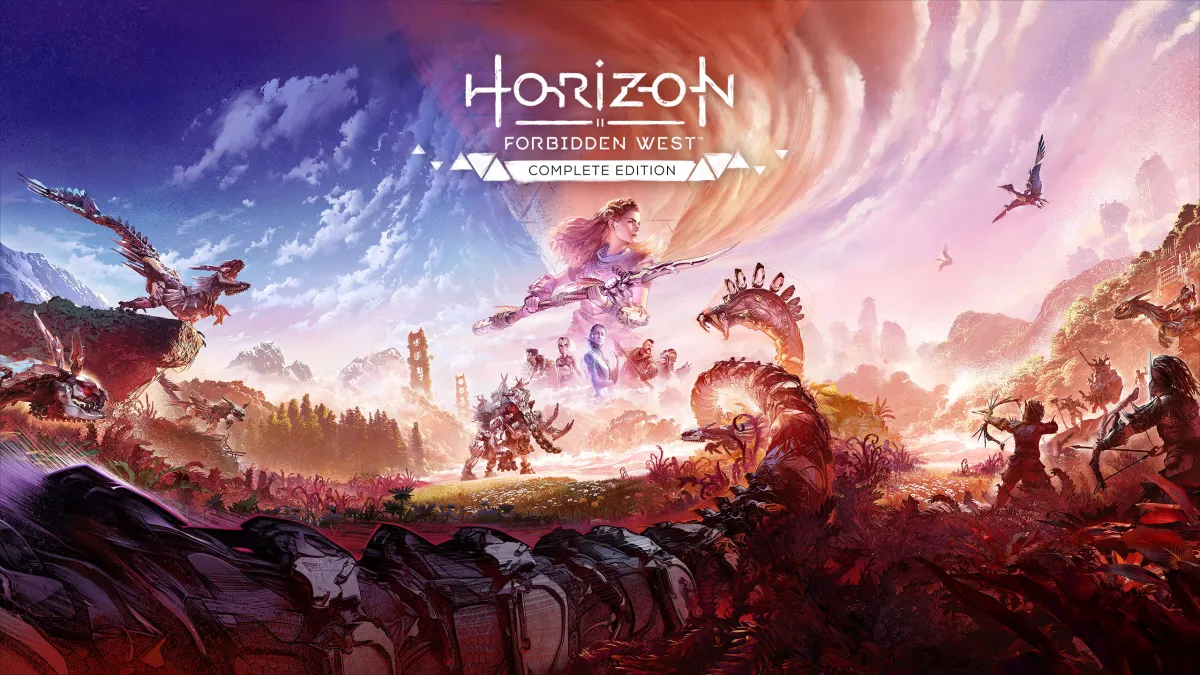 Photo: Horizon Forbidden West, via cdn1.epicgames.com
I spent 127 hours with that game. Roughly 30 hours were devoted to the main story and meaningful side content. The other 97 hours? Running around the map collecting metal flowers and audio logs that added nothing to my understanding or enjoyment of the world.
When Developers Design for Checklists
The most insidious part of completionist culture isn't what it does to players — it's what it does to developers. When your success metrics are tied to engagement time and completion percentages rather than player satisfaction, you start designing backwards from the trophy list instead of forward from compelling gameplay.
Ghost of Tsushima is a masterclass in atmospheric samurai action, but its trophy requirements include composing 20 haikus and bowing at 10 different shrines. These aren't organic extensions of the game's themes — they're artificial objectives designed to make completionists spend more time in the world. The haiku system could have been a beautiful, optional way to reflect on the game's gorgeous environments. Instead, it becomes another checkbox on the road to platinum.
Developers have started admitting this publicly. In a 2025 GDC talk, Assassin's Creed Mirage director Stephane Boudon acknowledged that Ubisoft's design documents now include a mandatory "completion content" section that must account for at least 40% of the game's total runtime. "We're not making games," he said. "We're making engagement platforms with games attached."
The result is an industry-wide epidemic of what I call "busywork bloat." Activities that exist solely to inflate playtime statistics: towers to climb, icons to clear from maps, collectibles to gather, and fetch quests dressed up as "exploration." None of it enhances the core experience, but all of it feeds the completion percentage that keeps players logging in.
The Psychology of Digital Hoarding
Why do we do this to ourselves? The psychology behind completionist behavior taps into some of our deepest cognitive biases. The Zeigarnik effect makes unfinished tasks more memorable and mentally intrusive than completed ones — that 87% completion percentage gnaws at you in a way that a satisfying ending doesn't.
Then there's the sunk cost fallacy. Once you've invested 60 hours into collecting 200 of something, abandoning the quest at 180 feels like wasting all that previous effort. Game designers know this, and they exploit it ruthlessly. Ever notice how collectibles are usually distributed so that you're always just a few items away from the next milestone?
Dr. Ryan Rigby, a researcher at the University of Rochester who studies video game motivation, puts it bluntly: "Modern completion systems are designed to trigger the same psychological responses as gambling. Variable reward schedules, artificial scarcity, and completion anxiety create a compulsion loop that has very little to do with actual enjoyment."
I see this in my own behavior. I've got a backlog of incredible games I'm genuinely excited to play — Baldur's Gate 3, Pizza Tower, Cocoon — but I keep returning to games I've already "finished" because there's still 3% of content left unchecked. I'm choosing psychological manipulation over genuine discovery.
The Real Cost of Completion Culture
The tragedy isn't just that we're wasting time on tedious busywork. It's that we're training ourselves to experience games in fundamentally broken ways. When every interaction becomes transactional — when you're not admiring a beautiful vista but calculating whether it contains a collectible — you lose the ability to simply exist in these digital worlds.
I recently replayed Journey for the first time in years, a game with no completion percentage, no collectible counter, no achievement for finding every secret. Just pure experience. And I realized how much I'd forgotten about what games could feel like when they're not constantly interrupting themselves to remind you about your progress toward arbitrary goals.
The completion obsession also creates a false hierarchy of "value" that prioritizes time spent over quality of experience. A 15-hour masterpiece like Portal 2 gets dismissed as "short" while a 100-hour collectible grind gets praised as "content-rich," even when 80 of those hours are mind-numbing repetition.
This mindset has infected game criticism too. Reviews routinely mention completion times as a measure of value, as if entertainment were sold by the pound. Would we judge a movie by its runtime? A novel by its page count? The best games, like the best art, leave you changed — not exhausted.
Breaking Free from the Completion Trap
So how do we fix this? The solution starts with recognizing that completion percentages are meaningless marketing metrics, not measures of accomplishment or enjoyment. That platinum trophy represents time spent, not mastery achieved or beauty experienced.
I've started implementing what I call "natural completion" — playing games until I stop having fun, then moving on. Sometimes that's after the credits roll. Sometimes it's after 200 hours of exploration. Sometimes it's after 20 minutes when I realize a game isn't for me. All of these are valid endpoints.
The most liberating realization is that you don't owe games your time just because you paid for them. Every minute you spend grinding collectibles you don't enjoy is a minute you're not spending on experiences that might genuinely move you.
Some developers are starting to push back against completion culture. Elden Ring hides its most meaningful secrets behind genuine exploration rather than checklist objectives. Outer Wilds can't be completed in the traditional sense — only experienced and understood. These games trust players to find their own meaningful endpoints.
Reclaiming the Joy of Play
The gaming industry spent the last fifteen years training us to treat play like work, complete with progress reports and performance metrics. But the best games — the ones we remember years later — aren't the ones we completed. They're the ones that surprised us, challenged us, or showed us something we'd never seen before.
Maybe it's time to turn off the trophy notifications, hide the completion percentages, and remember what it felt like to play games because we wanted to be there, not because a progress bar told us we should be.
The platinum trophy will still be there if you decide you want it later. But that moment of genuine wonder, that perfect gameplay flow state, that emotional connection to a digital world — those disappear the moment you start treating them as items on a checklist.
Choose wonder over completion. Choose experience over metrics. Choose playing games over playing the metagame about games.
Your backlog will thank you.