The Porting Problem: Why Bringing a Big Game to a New Platform Is Harder — and Messier — Than Anyone Admits

When The Last of Us Part I arrived on PC in March 2023, it was a technical disaster. Shader compilation stutters, memory leaks, and performance issues that made a $60 game nearly unplayable for many users. Sony eventually fixed most of the problems, but the damage was done. What should have been a triumphant expansion to a new audience became another cautionary tale about an industry that still treats porting like an afterthought.
The pattern repeats constantly: major games arrive on new platforms months or years late, often in states that would be unacceptable for original launches. Publishers promise parity with the original release, then deliver compromised experiences that frustrate both new players and existing fans. Despite being a multi-billion-dollar revenue stream, porting remains gaming's most consistently botched operation.
The Hidden Complexity of Platform Translation
From the outside, porting looks simple: take game files from Platform A, make them work on Platform B, profit. The reality involves rebuilding fundamental systems that were designed around specific hardware assumptions. When a game moves from PlayStation 5 to PC, it's not just changing platforms — it's adapting to thousands of different hardware configurations, multiple graphics APIs, and completely different input methods.
Consider the deceptively simple challenge of memory management. Console games are built around fixed memory pools with predictable performance characteristics. PC games must dynamically allocate memory across systems ranging from 8GB budget builds to 64GB enthusiast rigs. What works perfectly on a PS5's unified memory architecture can cause cascading failures on a PC with separate system and graphics memory pools.
The graphics pipeline presents even thornier challenges. PlayStation 5 games often rely on hardware-specific features like the console's custom SSD decompression block or specialized GPU compute units. Translating these systems to work across NVIDIA's RTX series, AMD's RDNA architecture, and Intel's Arc cards requires essentially rewriting core engine systems.
The Outsourcing Ecosystem
Most major publishers don't handle ports internally. Instead, they contract with specialized porting studios — companies like Iron Galaxy, Panic Button, or Nixxes Software that have built expertise in platform translation. This outsourcing model creates a complex web of dependencies that often leads to communication breakdowns and misaligned priorities.
The typical porting timeline looks like this: the original developer finishes their game, hands over the source code and documentation to the porting studio, then moves on to their next project. The porting team must reverse-engineer systems they didn't design, often working with incomplete documentation and limited access to the original developers. When problems arise — and they always do — the fixes require coordination between teams that may be in different time zones and working on different priorities.
This handoff model explains why so many ports feel like translations rather than native experiences. The porting team's job is to make the game functional, not optimal. They're working with someone else's architectural decisions, trying to solve problems that the original developers never had to consider.
Platform Holders' Mixed Messages
Console manufacturers publicly encourage cross-platform releases while privately creating technical barriers that make porting more difficult. Sony's PlayStation 5 development tools are optimized for Sony's hardware ecosystem. Microsoft's Xbox Series X|S development environment assumes developers will target Xbox's specific hardware configuration. When developers try to create truly platform-agnostic code, they often find themselves fighting against the tools and APIs that platform holders provide.
The certification processes for different platforms add another layer of complexity. A game that passes Microsoft's technical requirements might fail Sony's certification for completely different reasons. Nintendo's Switch certification process includes performance targets that may be impossible to hit without fundamental architectural changes. Each platform holder has different policies around patches, DLC, and post-launch support that can complicate long-term maintenance.
The Economics of Compromise
Publishers face a fundamental economic tension when planning ports. Doing the job right — rebuilding systems for optimal performance on each target platform — can cost millions and take years. Doing the job quickly and cheaply — essentially running the original code through compatibility layers — can result in broken launches that damage the brand.
Most publishers choose a middle path that satisfies neither goal. They spend enough money to avoid complete disasters but not enough to deliver truly optimized experiences. The result is ports that technically work but feel compromised compared to native experiences.
This economic calculation is complicated by the fact that port revenues are often treated as "found money" rather than core business. If the original game was successful on its native platform, the port revenue is pure upside. This accounting logic encourages publishers to minimize port investment, treating them as low-risk, low-effort revenue streams rather than opportunities to expand their audience.
The Tools Problem
Game engines like Unreal and Unity promise cross-platform compatibility, but the reality is more complicated. These engines provide a foundation for cross-platform development, but they can't abstract away the fundamental differences between platforms. Developers still need platform-specific knowledge to optimize performance, handle input differences, and navigate certification requirements.
More problematically, many successful games are built on heavily modified engines or proprietary technology that was never designed for portability. When Rockstar ported Grand Theft Auto V to PC, they essentially had to rebuild their RAGE engine's rendering pipeline to work with DirectX instead of PlayStation's graphics API. The two-year delay between console and PC releases reflected the complexity of this technical translation.
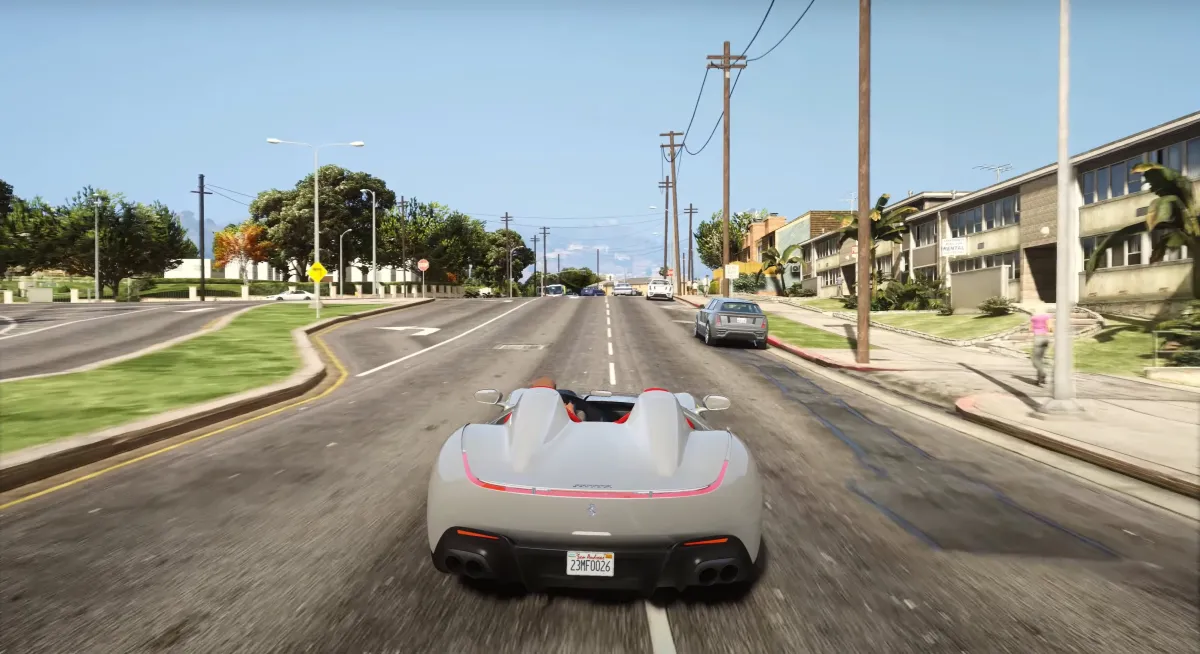 Photo: Grand Theft Auto V, via s1.cdn.autoevolution.com
Success Stories and What They Teach
Not all ports are disasters. Companies like Nixxes Software have built reputations on delivering high-quality PC ports that often exceed the original console versions. Their work on Marvel's Spider-Man and Horizon Zero Dawn shows what's possible when publishers invest in proper porting expertise and give teams adequate time and resources.
 Photo: Marvel's Spider-Man, via wallpaperaccess.com
These successful ports share common characteristics: they start development early in the original game's lifecycle, maintain close collaboration between original and porting teams, and treat the port as a full product rather than a technical exercise. Most importantly, they budget for the unexpected technical challenges that inevitably arise during platform translation.
The Path Forward
Fixing the porting problem requires changes at multiple levels. Publishers need to treat ports as first-class products rather than afterthoughts. Platform holders need to provide better cross-platform development tools and more flexible certification processes. Engine developers need to invest in better abstraction layers that handle platform differences more gracefully.
Most importantly, the industry needs to abandon the myth that porting is a simple technical process. Moving a complex game between platforms is a creative and technical challenge that deserves the same level of planning, resources, and expertise as original game development. Until publishers accept this reality, we'll keep getting broken launches and disappointed players on both sides of the platform divide.