Walk into any digital storefront in 2026 and you'll find them everywhere: gleaming "Definitive Editions," "Ultimate Collections," and "Anniversary Remasters" commanding premium prices for games you probably already own. What started as occasional love letters to gaming's greatest hits has morphed into something far more calculated—a nostalgia industrial complex that's quietly reshaping how the entire industry approaches risk, creativity, and profit.
The numbers tell a stark story. In 2025 alone, major publishers released more remasters than entirely new intellectual properties, with Sony leading the charge through its "PlayStation Studios Classics" initiative, followed closely by Microsoft's "Game Pass Legacy" program and Nintendo's seemingly endless parade of Switch re-releases. When The Last of Us Part I commanded $70 for what amounted to a visual upgrade of a game originally released just nine years earlier, it didn't spark outrage—it sparked a gold rush.
The Repeat Offenders
Some publishers have turned remaster production into an art form. Sony Interactive Entertainment has released updated versions of Horizon Zero Dawn, Ghost of Tsushima, Spider-Man, and God of War within the span of 18 months, often charging full retail price for what previous generations would have called "Game of the Year editions." Each release follows the same playbook: enhanced visuals, DualSense haptic feedback integration, and the promise of "experiencing it like never before."
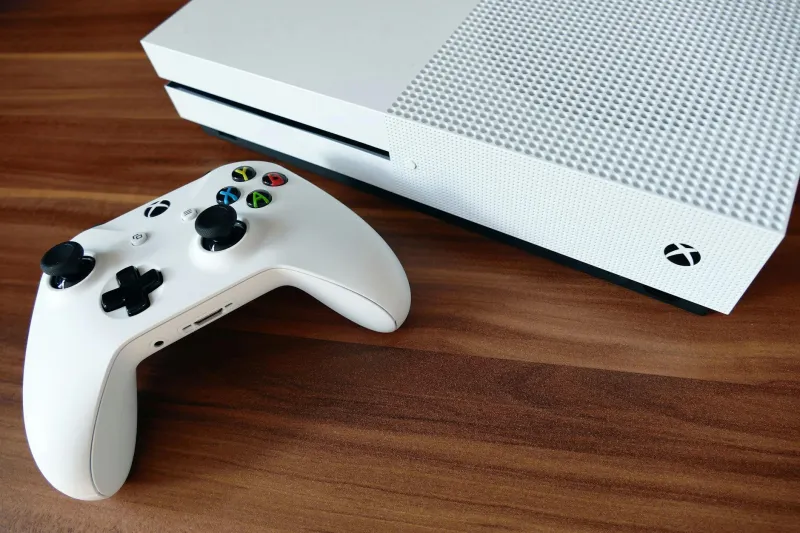
Microsoft, meanwhile, has weaponized its Game Pass subscription model to make remasters feel "free," quietly padding the service with upgraded versions of Gears of War, Forza Horizon, and Halo titles while simultaneously removing the original versions. It's a clever sleight of hand that makes consumers feel like they're getting value while Microsoft double-dips on development costs.
Nintendo remains the undisputed master of this game, having perfected the remaster economy long before it became trendy. The company's ability to sell Mario Kart 8 Deluxe to the same audience that bought the original Wii U version—and then charge them again for DLC tracks from previous games—represents the platonic ideal of nostalgic monetization.
The $70 Question
Here's where the math gets uncomfortable. A brand-new AAA game costs $70 and represents years of creative risk, original storytelling, and technological innovation. A remaster of a decade-old game also costs $70 and represents... what, exactly? Enhanced lighting? Higher resolution textures? The same story you've already experienced, now with slightly better shadows?
Consider Dead Space (2023), which EA positioned as a "reimagining" rather than a simple remaster. Despite significant improvements to gameplay systems and visual fidelity, the core experience remained identical to the 2008 original. Players paid full price to experience the exact same narrative beats, puzzle solutions, and jump scares they'd already encountered 15 years earlier. The game sold well, validating EA's approach and signaling to other publishers that nostalgia could indeed command premium pricing.
The value proposition becomes even murkier when you factor in the original development costs. Most remasters are built on existing foundations—story, level design, character models, and core gameplay systems are already complete. Publishers are essentially charging new-game prices for what amounts to a technical refresh, often outsourced to smaller studios at a fraction of original development costs.
Risk Aversion in Real Time
The remaster boom reveals something troubling about the industry's appetite for creative risk. When Resident Evil 4 (2023) outsells most original horror games, when The Last of Us Part I moves millions of units despite being the third release of the same story, publishers receive a clear message: nostalgia sells better than novelty.
This creates a feedback loop that's already reshaping development priorities. Why greenlight an unproven IP when you can remaster a beloved classic with guaranteed brand recognition? Why take creative risks when you can mine your back catalog for proven concepts? The result is an industry increasingly focused on looking backward rather than forward.
Smaller studios feel this pressure most acutely. When major publishers flood the market with high-budget remasters of established franchises, original indie titles struggle to find mindshare and shelf space. The same nostalgia that drives remaster sales can suffocate the experimental, boundary-pushing games that keep the medium evolving.
The Preservation Paradox
Publishers often frame remasters as preservation efforts—noble attempts to keep gaming history accessible to new generations. There's truth to this narrative; many classic games have become genuinely difficult to experience on modern hardware. Nintendo's Virtual Console program and Sony's backward compatibility efforts serve legitimate preservation functions.
But preservation and profit extraction aren't the same thing. True preservation would involve making classic games available at reasonable prices, maintaining original versions alongside enhanced editions, and ensuring long-term accessibility across platforms. Instead, we often see the opposite: original versions delisted to drive sales of premium remasters, artificial scarcity through limited-time releases, and pricing strategies that prioritize revenue over accessibility.
Breaking the Cycle
The solution isn't to eliminate remasters entirely—some genuinely deserve the royal treatment. Final Fantasy VII Remake transformed its source material so completely that it functioned as both homage and original creation. Metroid Prime Remastered demonstrated how technical improvements could enhance rather than replace the original experience.
But the industry needs clearer standards for what justifies premium pricing. Visual upgrades alone shouldn't command full retail prices. Meaningful gameplay improvements, substantial additional content, or complete reimaginings deserve different pricing tiers than simple resolution bumps and texture packs.
Consumers, meanwhile, need to vote with their wallets. Every $70 spent on a marginal remaster sends a signal that publishers interpret as demand for more of the same. The industry will continue mining nostalgia as long as that mine keeps producing gold.
The Long Game
The remaster economy represents more than just a pricing issue—it's a symptom of an industry struggling with its own success. As development costs skyrocket and audiences fragment across platforms, publishers increasingly rely on proven formulas rather than creative risks. Nostalgia becomes a hedge against uncertainty, a way to guarantee returns in an unpredictable market.
But nostalgia is a finite resource. Eventually, publishers will exhaust their back catalogs of remaster-worthy titles. The question is whether the industry will use this breathing room to develop new classics worth revisiting, or whether we'll find ourselves in 2036 buying remasters of today's remasters.
The choice is ours—both as an industry and as consumers. We can continue feeding the remaster machine, or we can demand that publishers earn our $70 with genuine innovation rather than polished memories. The games we choose to buy today will determine whether tomorrow's industry creates new legends or simply repackages old ones.