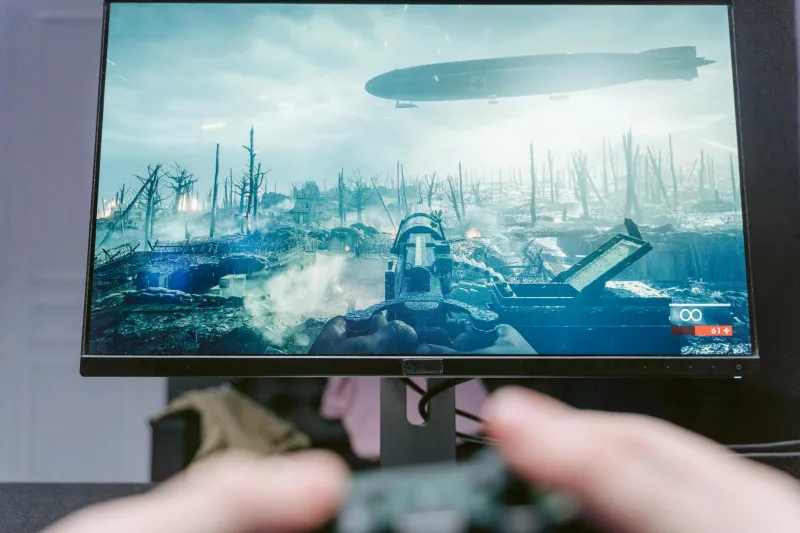
The warning signs are always there. A major AAA game launches at midnight EST, digital storefronts light up with pre-orders, and then — radio silence from every major gaming outlet. No reviews, no scores, no coverage beyond carefully curated preview events from months earlier. Welcome to the modern review embargo game, where publishers have turned strategic timing into a $70 consumer protection bypass.
In 2026, the practice has evolved from industry courtesy into outright manipulation. Publishers aren't just asking for review embargoes anymore — they're engineering them as surgical strikes against informed consumer choice. The math is brutal: launch at midnight, embargo reviews until 12 PM PT the following day, and capture 12-15 hours of uninformed day-one purchasing before a single critical word hits the internet.
The Midnight Money Grab
The pattern has become predictable across major releases. Take the recent launch of Stellar Reckoning 3, which hit digital platforms at 12:01 AM EST on a Tuesday with reviews embargoed until 3 PM that same day. By the time critics could publish their coverage revealing significant performance issues and cut content, the game had already secured its crucial first-day sales numbers across multiple time zones.
This isn't coincidence — it's strategy. Publishers have mapped out the optimal embargo windows to maximize revenue before negative coverage can impact sales. The sweet spot appears to be 12-18 hours post-launch, long enough to capture impulse purchases from excited fans but short enough to maintain the illusion of normal review cycles.
The practice particularly targets American consumers, who represent the largest single gaming market globally. US launch timing is carefully coordinated to hit East Coast midnight releases when West Coast critics are still working, creating natural delays in coverage that publishers exploit ruthlessly.
 Photo: West Coast, via www.fodors.com
 Photo: East Coast, via www.mappr.co
The Exclusion Playbook
Beyond timing manipulation, publishers have developed sophisticated exclusion tactics. Certain outlets known for critical coverage find themselves mysteriously absent from review code distribution lists. Others receive codes so late that meeting embargo deadlines becomes impossible without rushing coverage.
The result is a carefully curated initial wave of reviews from outlets with historically favorable coverage patterns, while more critical voices are systematically delayed or excluded entirely. This creates an artificial consensus during the crucial first 24-48 hours when most consumers make purchasing decisions.
Some publishers have even implemented tiered embargo systems, where favorable outlets get earlier access while critical voices face longer restrictions. The practice effectively creates a two-tier journalism system where positive coverage gets amplified and critical analysis gets buried in the noise of post-launch discussion.
The $70 Gamble
For American consumers facing $70 standard edition prices — the highest in gaming history — these embargo games represent a fundamental breach of market transparency. Traditional consumer protection principles assume access to informed reviews before major purchases, but the gaming industry has systematically dismantled this assumption.
The financial impact is staggering. Industry data suggests that 60-70% of AAA game sales occur within the first week of launch, with day-one purchases representing 25-30% of total lifetime sales. By controlling review timing, publishers can secure hundreds of millions in revenue before consumers have access to critical information.
This dynamic particularly hurts working-class gamers who can't afford to treat $70 purchases as disposable entertainment. When a game launches broken or incomplete, these consumers bear the real cost of publisher manipulation while wealthy enthusiasts can simply move on to the next release.
The Journalism Chill Effect
The embargo weaponization has created a chilling effect across gaming journalism. Outlets dependent on early access for traffic find themselves forced to soften criticism or risk exclusion from future embargoes. This creates a feedback loop where critical coverage becomes increasingly rare, not because games are getting better, but because honest criticism carries professional consequences.
Some major outlets have begun implementing internal policies to resist embargo manipulation, publishing "embargo watch" coverage that highlights suspicious timing patterns. However, these efforts remain scattered and lack the industry-wide coordination needed to counter publisher strategies effectively.
The practice also undermines the credibility of gaming journalism as a whole. When consumers repeatedly discover that day-one purchases don't match review impressions, trust in the entire critical ecosystem erodes, making informed purchasing decisions even more difficult.
Fighting Back
Some solutions are emerging from unexpected corners. Digital platform refund policies have become an informal review system, with refund rates serving as proxy quality metrics. Steam's two-hour refund window, while imperfect, provides some consumer protection against embargo manipulation.
Certain publishers, notably smaller studios and some indie developers, have begun implementing "no embargo" policies, allowing reviews to publish immediately upon code distribution. These companies argue that confident products don't need embargo protection, turning review transparency into a competitive advantage.
Consumer advocacy groups have also begun tracking embargo patterns, creating databases that highlight publishers with consistently suspicious timing practices. While these efforts lack legal enforcement power, they provide valuable information for informed consumers willing to research before purchasing.
The Path Forward
The review embargo game represents a fundamental market failure where information asymmetry benefits publishers at consumer expense. Until regulatory intervention or industry-wide reform addresses these practices, American gamers face an increasingly hostile purchasing environment where $70 day-one purchases require gambling rather than informed decision-making.
The solution isn't eliminating review embargoes entirely — legitimate development scheduling and marketing coordination require some timing control. Instead, the industry needs standardized embargo practices that prioritize consumer information over revenue manipulation, with transparent timing requirements and universal outlet access policies.
Until that happens, the safest strategy for consumers remains simple: never buy on day one, always wait for reviews, and treat any midnight launch with same-day embargo as a red flag requiring extra scrutiny.