The Sequel Identity Crisis: Why So Many 2026 Franchises Can't Decide What Kind of Game They Want to Be
Walk into any GameStop in 2026, scan the new releases wall, and you'll spot the same bewildering pattern repeating across franchise after franchise: beloved series that seem to have forgotten what they actually are. The latest Crash Bandicoot is somehow an open-world survival crafting game. Final Fantasy has pivoted to extraction shooter mechanics. Sonic now features a morality system and branching dialogue trees that would make Mass Effect blush.
Welcome to the sequel identity crisis — the defining creative failure of modern gaming that's turning once-coherent franchises into Frankenstein's monsters of mismatched mechanics and borrowed ideas.
When Everything Becomes Everything Else
The symptoms are everywhere, but the diagnosis is clear: major publishers have become so terrified of missing the next big trend that they're grafting popular mechanics onto established franchises with all the surgical precision of a toddler with Play-Doh. The result isn't innovation — it's creative chaos that satisfies nobody.
Take Assassin's Creed Nexus, Ubisoft's 2026 attempt to "revolutionize" the franchise by adding tower defense elements, card battler progression, and inexplicably, a dating sim component where Ezio can swipe right on Renaissance nobles. What started as a stealth-action series about historical assassinations has become a genre soup that tastes like everything and nothing simultaneously.
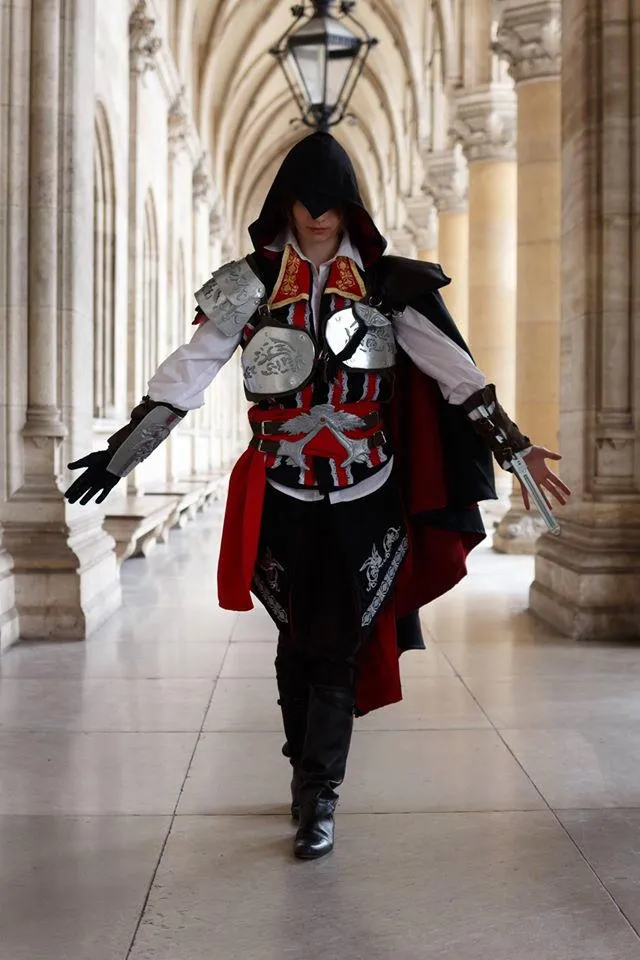 Photo: Ezio, via images-wixmp-ed30a86b8c4ca887773594c2.wixmp.com
Or consider Call of Duty: Infinite Horizons, which Activision proudly marketed as "the first life simulation shooter" — complete with farming mechanics, relationship meters, and a day-night cycle that affects weapon damage. Players can spend three hours tending virtual crops between multiplayer matches, because apparently someone at corporate decided Stardew Valley was the secret sauce missing from military shooters.
The Trend-Chasing Trap
This isn't just about adding features — it's about fundamental genre confusion at the highest levels of game development. Studios are so busy studying what worked for other games that they've forgotten what worked for their own.
The pattern is depressingly predictable. A franchise sees declining sales, executives panic, market research identifies "hot genres," and suddenly your beloved puzzle-platformer needs crafting systems, your racing game requires character builds, and your turn-based RPG must include real-time combat "to appeal to younger audiences."
Pokemon Legends: Nexus exemplifies this perfectly. Game Freak's 2026 entry transforms the creature-collecting formula into a souls-like where trainers engage in punishing melee combat, complete with dodge-rolling, stamina management, and boss battles that require frame-perfect timing. The tagline "Gotta Git Gud" tells you everything about how far we've strayed from "Gotta Catch 'Em All."
The Open-World Pandemic
No trend has infected more franchises than the open-world mandate. Seemingly every sequel in 2026 features a massive map dotted with icons, regardless of whether exploration enhances or actively damages the core experience.
Metro: Exodus Infinite trades the series' signature claustrophobic tunnel crawling for a sprawling 400-square-kilometer wasteland filled with fetch quests and radio tower climbs. Dead Space: Necromorph Territory abandons tight corridor horror for an open space station where players can fast-travel between scares, completely neutering the tension that defined the franchise.
The most egregious example might be Tetris Worlds, which somehow transforms block-stacking into an open-world adventure where players explore procedurally generated landscapes to "discover the ancient origins of geometric harmony." The fact that this sentence exists in a real marketing campaign should terrify anyone who cares about creative coherence.
When Franchises Forget Their Own DNA
The saddest casualties are series that abandon their core identity entirely. Splinter Cell: Social Network replaces stealth gameplay with social media management mechanics where Sam Fisher builds follower counts and engagement metrics to "infiltrate digital spaces." Players spend more time crafting the perfect Instagram post than actually infiltrating anything.
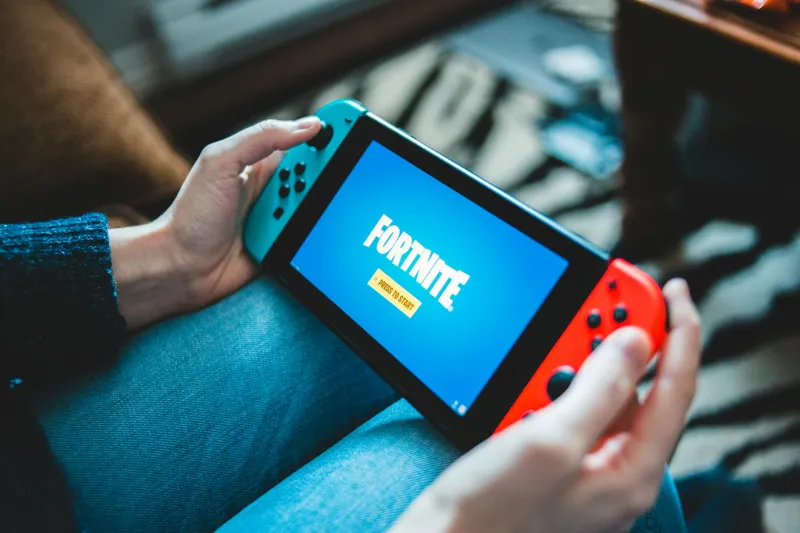
Meanwhile, Civilization VII: Battle Royale drops 100 civilizations onto a shrinking map where Gandhi and Napoleon duke it out in real-time combat until only one remains. The turn-based strategy that defined the series for decades gets tossed aside because someone decided Fortnite was the future of everything.
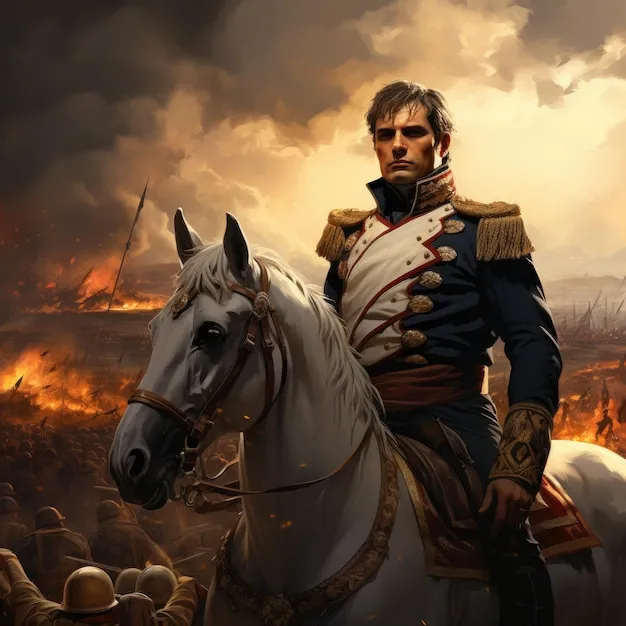 Photo: Napoleon, via img.freepik.com
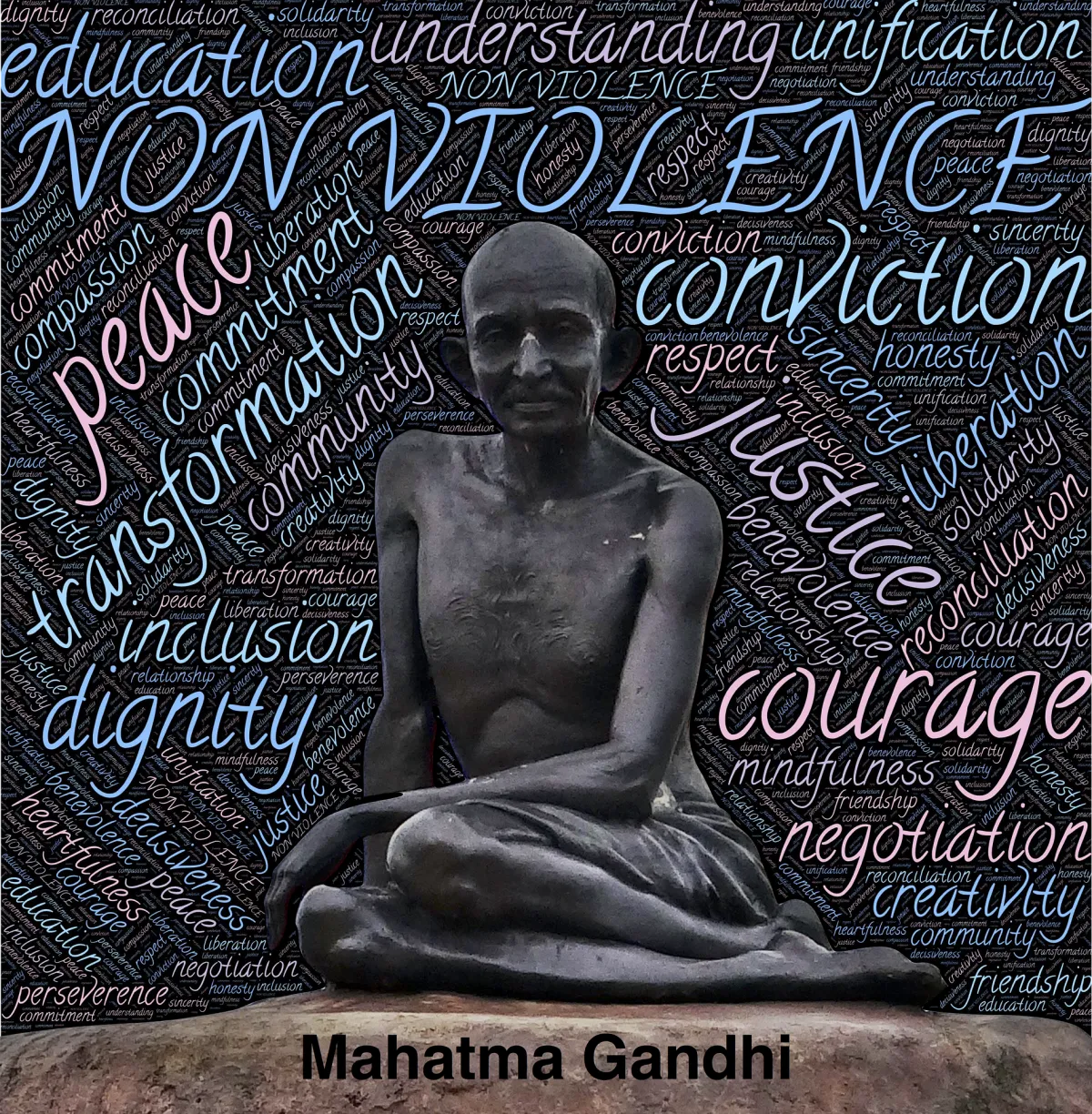 Photo: Gandhi, via www.beachcomberfx.com
The Player Whiplash Effect
This genre-hopping creates a unique form of consumer frustration: sequel whiplash. Fans who loved Dishonored for its immersive sim stealth don't want Dishonored 3: Kart Racing Championship. Players who cherished BioShock's narrative-driven exploration aren't asking for BioShock: Infinite Warfare's competitive multiplayer focus.
Yet publishers keep betting that broadening appeal will expand audiences, when research consistently shows that diluting a franchise's identity typically shrinks its fanbase while failing to attract newcomers who have better options in their preferred genres.
The Road Back to Coherence
Some studios are recognizing this crisis. Doom Eternal: Double Down deliberately stripped away the RPG elements and crafting systems that crept into the 2020 reboot, returning to pure demon-slaying action. Sales and critical reception both improved dramatically.
Similarly, Resident Evil 9: Pure Horror abandoned the action-heavy direction of recent entries, returning to survival horror fundamentals with limited ammunition, puzzle-solving, and genuine scares. Capcom's willingness to resist trend-chasing paid off with the highest-rated entry in the series since RE4.
The Creative Courage Crisis
Ultimately, the sequel identity crisis reflects a deeper problem: the gaming industry's loss of creative courage. Publishers have become so risk-averse that they'd rather create a confused mess that checks multiple trending boxes than commit to a clear creative vision.
The irony is that the most successful games of 2026 — Hades II, Baldur's Gate 4, Elden Ring: Shadow of the Erdtree — succeeded precisely because they knew exactly what they were and executed that vision flawlessly.
Franchises don't need to become everything to everyone. They need to remember what made them special in the first place, then find ways to evolve that core identity rather than abandon it entirely. Until publishers rediscover this basic truth, we'll keep getting sequels that feel like strangers wearing familiar faces — and wondering why nobody seems happy with the results.