Shelf Life: Why Physical Game Sales Are Making a Comeback Nobody Predicted
For the better part of a decade, the games industry has been writing the obituary for physical media. Digital storefronts were supposed to win, full stop. Analysts projected year-over-year declines in boxed software. Publishers quietly shifted marketing budgets away from retail partnerships. And yet, walk into a Best Buy or Target in 2026 and you'll find something nobody predicted: the gaming shelf is still there, still stocked, and — according to recent retail data — still moving product.
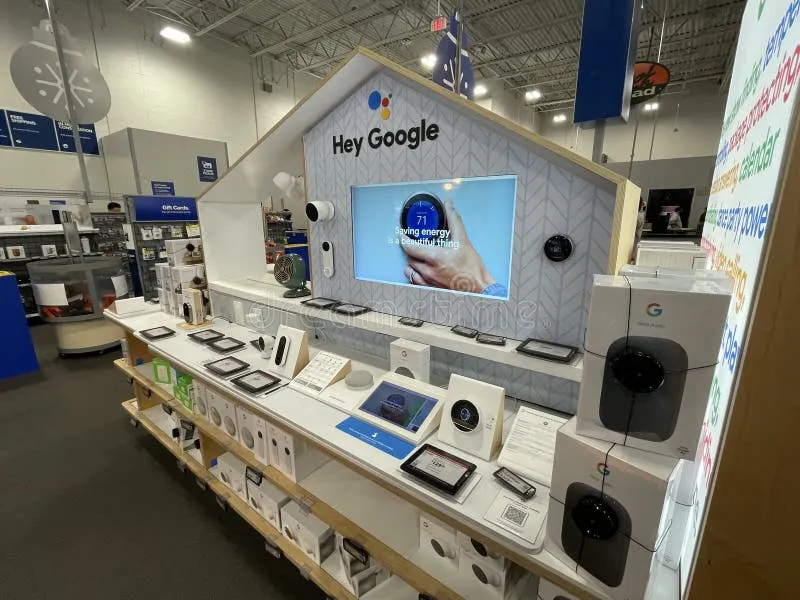 Photo: Best Buy, via thumbs.dreamstime.com
Physical game sales in the US haven't just stabilized. For certain categories and platforms, they're actually growing. So what happened? And more importantly, who's buying?
The Death That Wasn't
The all-digital prophecy made perfect sense on paper. Steam dominates PC gaming to the point where a physical PC release feels almost ceremonial. PlayStation and Xbox have aggressively pushed their digital storefronts, with Sony releasing a disc-free PS5 model and Microsoft leaning heavily into Game Pass as its primary value proposition. Mobile gaming — entirely digital, entirely dominant — has trained a whole generation to think of software as something that just lives in the cloud.
And yet, the NPD Group and GSD data from early 2026 tell a more complicated story. Nintendo Switch physical software has remained stubbornly strong, with several first-party titles continuing to chart in boxed format months after launch. More surprisingly, PS5 physical sales have seen a modest uptick in certain demographics, bucking the trend that Sony's own hardware strategy seemed to anticipate. The disc-equipped PS5 model is still outselling its digital counterpart in most US retail markets.
This isn't a massive reversal. Nobody's arguing that physical media is going to reclaim its throne. But the floor is higher than anyone expected, and the reasons why are worth understanding.
The Ownership Anxiety Is Real
Talk to physical game buyers in 2026 and one theme comes up almost immediately: they don't trust digital ownership. And honestly? That distrust is well-earned.
In the past few years, American gamers have watched storefronts shutter, licenses expire, and purchased content simply vanish. The Wii Shop Channel is gone. The PS3 and PSP stores were nearly killed before fan outcry reversed the decision. Xbox 360 Marketplace games have quietly disappeared from libraries. The closure of smaller digital platforms has left players with nothing but receipts and empty game folders.
 Photo: Wii Shop Channel, via archive.org
When you buy a disc, you have something tangible that no server shutdown can take from you. That's not nostalgia talking — that's a rational response to watching the industry behave in ways that undermine digital confidence. A boxed copy of a game is, in the bluntest possible terms, a hedge against corporate decisions you have no control over.
This anxiety has been amplified by the rise of "disc-but-digital" releases — physical cases that contain nothing but a download code, no actual game data on the media itself. Collectors and skeptics alike have pushed back hard on this practice, and it's created a paradox where the presence of a physical disc has become a selling point in its own right.
The Shelf Culture Factor
There's something else going on that's harder to quantify but impossible to ignore: the aesthetic dimension of owning games.
A generation raised on social media has developed a surprisingly strong relationship with the visual display of physical collections. Gaming shelves are content. Unboxing videos rack up millions of views. Limited-edition physical releases — complete with artbooks, soundtrack CDs, and physical maps — routinely sell out within hours of going live. Limited Run Games and companies like Super Rare Games have built entire businesses on the premise that physical versions of games people love will always find buyers willing to pay a premium.
This isn't just collector behavior, either. It's shelf culture — the idea that your bookcase says something about you, the same way a vinyl collection or a row of paperbacks does. For a generation that consumes most of its entertainment invisibly through streaming services and digital libraries, a physical game collection is one of the few ways to make cultural identity visible in the real world.
The Economic Angle
There's a purely practical dimension here too. Used physical games have a resale value. Digital purchases do not. In an era of rising game prices — with $70 becoming the new standard and some publishers pushing toward $80 — the ability to recoup some of that cost by selling or trading a finished game matters to a lot of players.
GameStop's continued (and somewhat improbable) survival as a retail chain is partly a testament to this. The used game market, which publishers have tried to kill or tax for years, remains a lifeline for budget-conscious players who want to experience big releases without committing full price. You can't trade in a digital license. You can absolutely trade in a disc.
Are Publishers Paying Attention?
Some are. Nintendo has never meaningfully wavered from its commitment to physical releases, and its retail numbers reflect that loyalty. Certain third-party publishers — particularly those with strong collector communities, like FromSoftware, Capcom, and Atlus — continue to invest in physical editions that feel like genuine products rather than afterthoughts.
But others seem to be actively accelerating away from physical, treating it as a legacy obligation rather than a strategic opportunity. Day-one digital-only releases, physical versions that ship weeks after digital launch, and the aforementioned code-in-a-box trend all signal that some publishers have already made their decision — and they're not looking back.
That could be a mistake. The segment of gamers driving physical sales in 2026 is vocal, loyal, and willing to pay premium prices for the right product. They're not asking publishers to abandon digital. They're asking to be treated like customers whose preferences matter.
The Verdict
Physical game sales aren't going to save retail. They're not going to reverse the decade-long march toward digital dominance. But the segment is bigger, more resilient, and more culturally motivated than the industry's conventional wisdom has given it credit for — and the publishers who figure that out first stand to build genuine loyalty with one of gaming's most dedicated audiences.
The cartridge isn't dead. It just got tired of being told it was.