The Streamer's Shortcut: How Twitch and YouTube Are Replacing Game Journalism as America's Most Trusted Source of Reviews
The Streamer's Shortcut: How Twitch and YouTube Are Replacing Game Journalism as America's Most Trusted Source of Reviews
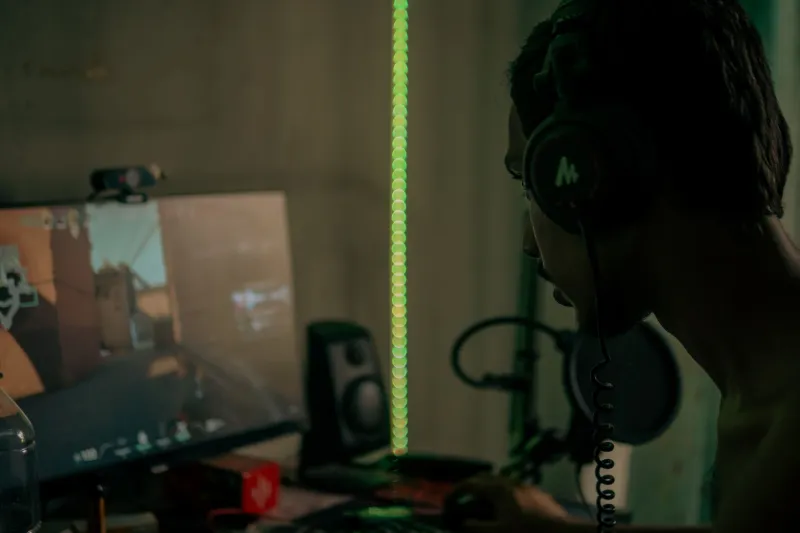
When Starfield dropped in September 2023, something unprecedented happened. While traditional gaming outlets scrambled to publish comprehensive reviews within their embargo windows, millions of Americans had already made their purchasing decisions based on watching their favorite Twitch streamers play the game live. The written review, once the gold standard of gaming criticism, had been bypassed entirely.
Three years later, the data tells an uncomfortable story for traditional gaming journalism. According to a 2026 survey by entertainment research firm Digital Pulse, 68% of American gamers aged 18-34 now consider live streamers and YouTube creators their primary source of game recommendations. Traditional gaming websites? They ranked fifth, behind streamers, YouTube reviews, friend recommendations, and even TikTok clips.
The Rise of Real-Time Reviews
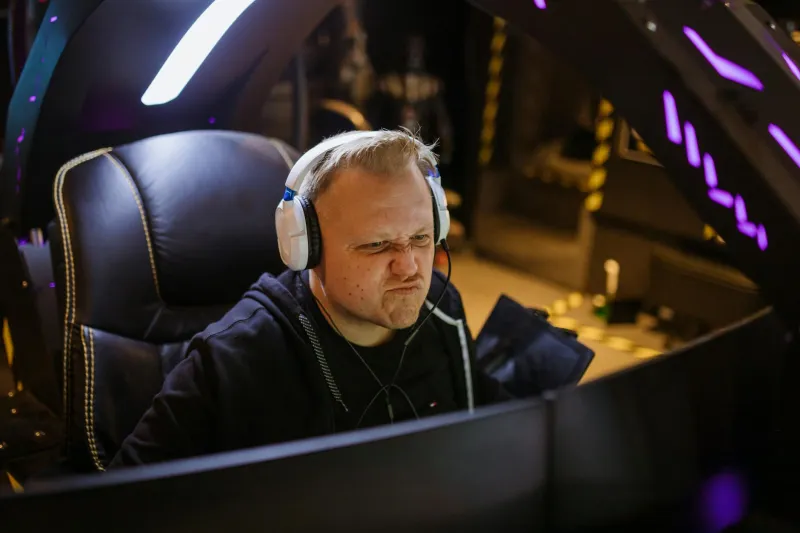
The appeal is obvious. Why read a 2,000-word review when you can watch someone play the actual game for three hours? Streamers offer something traditional journalism can't: unfiltered, real-time reactions. When a streamer encounters a game-breaking bug, viewers see it happen. When they get frustrated with clunky controls, the emotion is genuine and immediate.
"I don't need someone to tell me if a game is good," says Jake Martinez, a 24-year-old software developer from Austin who follows twelve different gaming streamers. "I can watch CohhCarnage or Shroud play it and decide for myself. Plus, I know their tastes align with mine after watching them for years."
This parasocial relationship between streamers and viewers creates a trust that traditional outlets struggle to match. Gamers feel like they know these creators personally, understanding their preferences, biases, and gaming history in ways they never could with anonymous review scores.
The Sponsorship Problem
But this shift comes with a massive blind spot that few viewers seem to acknowledge: financial incentives. While traditional gaming outlets maintain editorial independence through advertising firewalls, streamers often blur the lines between content and promotion in ways that would make professional journalists uncomfortable.
Consider the launch of Cyberpunk 2077. While gaming outlets eventually published scathing reviews highlighting the game's technical problems, many popular streamers had already spent weeks playing early access builds provided by CD Projekt Red, often with direct financial compensation. The Federal Trade Commission requires disclosure of sponsored content, but a simple "#ad" hashtag buried in a stream description hardly matches the prominence of traditional review disclaimers.
"The conflict of interest is baked into the model," explains Dr. Sarah Chen, a media studies professor at Northwestern University who researches gaming culture. "When a streamer's income depends on maintaining relationships with publishers, the incentive structure fundamentally changes how they approach criticism."
The Death of Deep Critique
Perhaps more concerning is how this shift affects the nature of game criticism itself. Traditional reviews, for all their flaws, attempted comprehensive analysis. A good review examined gameplay mechanics, narrative structure, technical performance, and cultural context. It considered how a game fits within its genre, its developer's catalog, and the broader gaming landscape.
Streamer "reviews" rarely offer this depth. They're impressionistic, focused on immediate entertainment value rather than lasting artistic merit. A streamer might declare a game "amazing" based on one spectacular moment, or "trash" because of a single frustrating sequence. Nuance gets lost in the pursuit of engaging content.
"We're seeing the TikTok-ification of game criticism," argues Marcus Thompson, former editor-in-chief of GameSpot. "Everything has to be digestible in 30-second clips. Complex games that reveal their strengths over dozens of hours get dismissed because they don't make for exciting stream content."
The Algorithm's Invisible Hand
The platforms themselves shape this new form of criticism in subtle but powerful ways. Twitch and YouTube's recommendation algorithms favor high engagement, which means streamers are incentivized to be more extreme in their reactions. Measured, thoughtful analysis doesn't generate clips that go viral on Twitter or TikTok.
This creates a feedback loop where streamers unconsciously adjust their reactions to what performs well algorithmically. A game that might deserve a solid 7/10 becomes either "incredible" or "disappointing" because moderate reactions don't drive engagement.
The Democratization Defense
Streamers and their supporters argue this shift represents democratization rather than degradation. Traditional gaming journalism, they contend, was always gatekept by a small group of predominantly white, male critics whose tastes didn't reflect gaming's diverse audience.
Streaming platforms have indeed amplified voices that traditional outlets overlooked. Female streamers, creators of color, and international voices now reach millions of viewers who see themselves reflected in these creators' perspectives.
"The old model was broken," argues Tiffany Rodriguez, a popular variety streamer with 400,000 followers. "A handful of outlets controlled the narrative about what games were worth playing. Now viewers can find creators who actually share their interests and backgrounds."
What Traditional Outlets Lost
The decline of traditional game journalism isn't just about reviews—it's about losing institutional knowledge and investigative capacity. Streamers excel at first impressions but rarely have the resources or expertise for deep investigative reporting about industry practices, labor conditions, or corporate malfeasance.
When Activision Blizzard faced sexual harassment allegations in 2021, it was traditional outlets like Kotaku and Bloomberg that broke and investigated the story. Streamers largely stayed silent, either lacking the journalistic infrastructure to pursue such stories or avoiding controversy that might jeopardize their relationships with publishers.
 Photo: Activision Blizzard, via www.sousvide.co.il
The Future of Game Criticism
As we move deeper into 2026, the tension between traditional and streaming-based criticism continues to evolve. Some outlets have adapted by embracing video content and hiring popular creators. Others double down on long-form analysis and investigative reporting that streamers can't replicate.
The most successful approach might be hybrid. Publications like Giant Bomb and Kinda Funny have built sustainable models that combine the personality-driven appeal of streaming with the editorial standards of traditional journalism.
For consumers, the key is media literacy. Streamers offer valuable perspectives, but viewers need to understand the financial incentives and algorithmic pressures that shape their content. Traditional reviews, despite their flaws, still provide crucial context and analysis that three-hour streams can't match.
The democratization of game criticism through streaming is largely positive, but it shouldn't come at the expense of accountability journalism. Both models serve important functions, and the gaming community is stronger when it has access to diverse, independent voices across all platforms.
As gaming continues to grow as both entertainment and art form, we need criticism that can match its complexity—and that means preserving space for both immediate reactions and thoughtful analysis.