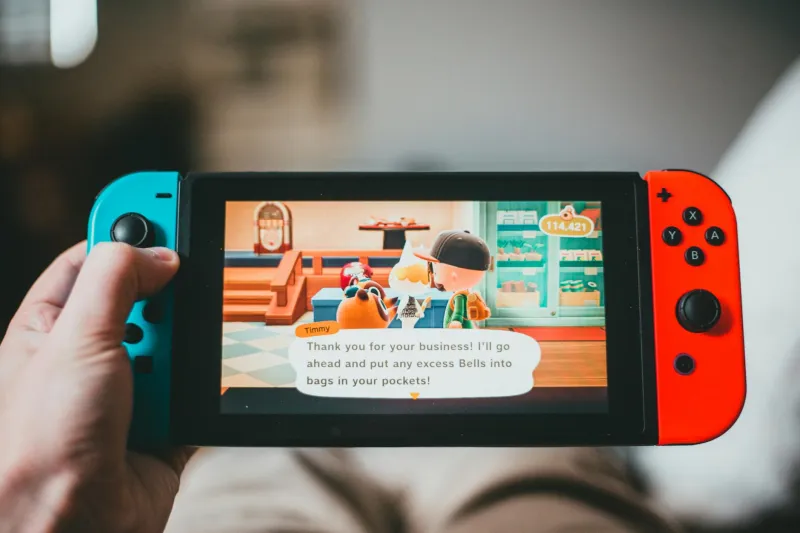
The Tutorial Trap: Why Modern Games Are Still Teaching You to Play Like It's 2005
Press X to jump. Hold Y to run. Move the left stick to walk forward. If you've picked up a controller in the last two decades, you've probably wanted to scream at your screen during these opening moments. Yet here we are in 2026, and major studios are still treating players like they've never seen a video game before.
The tutorial problem isn't new, but it's getting worse. As games have become more complex and budgets have ballooned into the hundreds of millions, publishers have doubled down on the safest possible approach: assume your player knows nothing and spoon-feed them everything. The result? Opening hours that feel like interactive instruction manuals rather than the power fantasies we actually paid for.
The Hand-Holding Epidemic
Walk into any GameStop and pick up three random AAA titles from this year. Chances are, at least two of them will lock you into tutorial corridors for the first 30-60 minutes, complete with pop-up prompts that pause the action to explain mechanics you figured out in the first five seconds. It's death by a thousand paper cuts, each one chipping away at the momentum that separates great games from forgettable ones.
Take Horizon Forbidden West: Burning Shores, which somehow managed to make robot dinosaur hunting feel like a college lecture. Or Call of Duty: Advanced Warfare 2, which spent twenty minutes teaching veteran players how to aim down sights in a franchise that's been doing the same thing since 2007. These aren't accessibility features—they're insurance policies against imaginary complaints from imaginary players.
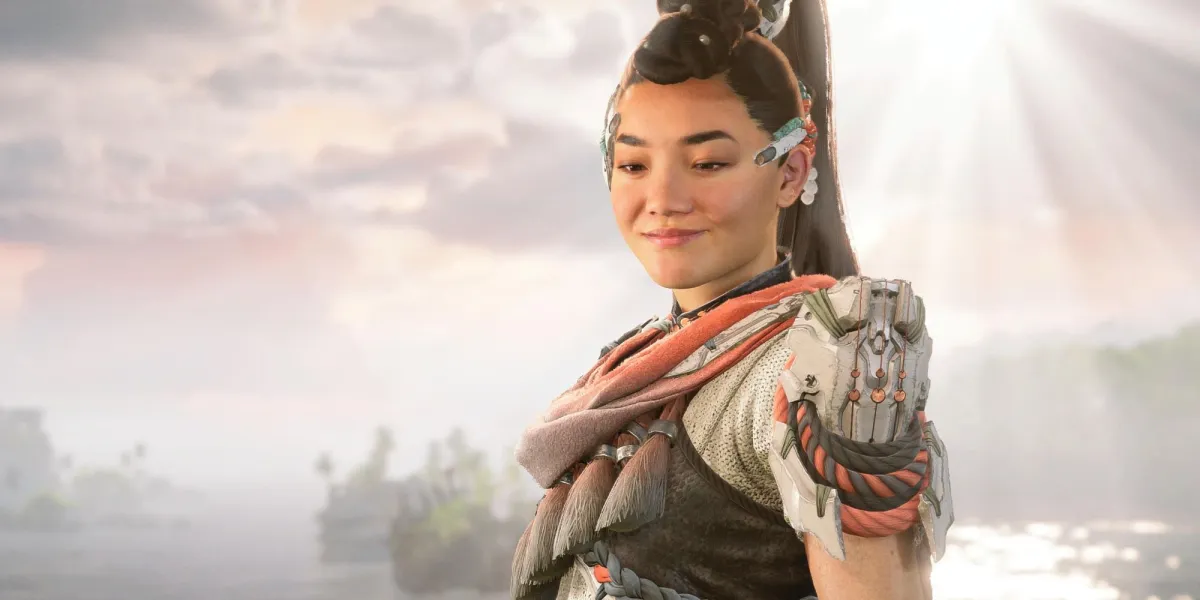 Photo: Horizon Forbidden West: Burning Shores, via static1.srcdn.com
The irony is palpable. We're living in an era where the average gamer has been playing for over a decade, where gaming literacy is at an all-time high, and where players regularly master complex mechanics in competitive titles that would make 1990s developers weep. Yet somehow, we're still being told to press A to continue.
The Confidence Crisis
Here's the uncomfortable truth: excessive tutorialization often masks fundamental design problems. When a game needs twenty minutes of explanation to make basic mechanics clear, that's not a player problem—that's a design problem. The tutorial has become a band-aid for interfaces that aren't intuitive, mechanics that aren't self-explanatory, and systems that weren't built with discovery in mind.
Look at Elden Ring, which threw players into the world with minimal hand-holding and became one of the best-selling games of the decade. Or consider how Tears of the Kingdom let players experiment with its physics systems organically, trusting them to figure things out through play rather than explanation. These titles succeeded not despite their minimal tutorials, but because of them.
 Photo: Elden Ring, via imgcdn.stablediffusionweb.com
The contrast is stark. While indie developers regularly create games that teach through environmental storytelling and contextual cues, AAA studios seem paralyzed by the fear that someone, somewhere, might be confused for thirty seconds.
The Accessibility Excuse
Before the comments section explodes: this isn't an argument against accessibility. True accessibility means creating multiple pathways to understanding, not forcing everyone down the same tedious road. The best accessible design is invisible—it helps those who need it without patronizing those who don't.
The Last of Us Part II nailed this balance with its extensive accessibility options that could be toggled on or off. Microsoft Flight Simulator offers everything from arcade-simple controls to full simulation complexity. These games respect player agency while ensuring nobody gets left behind.
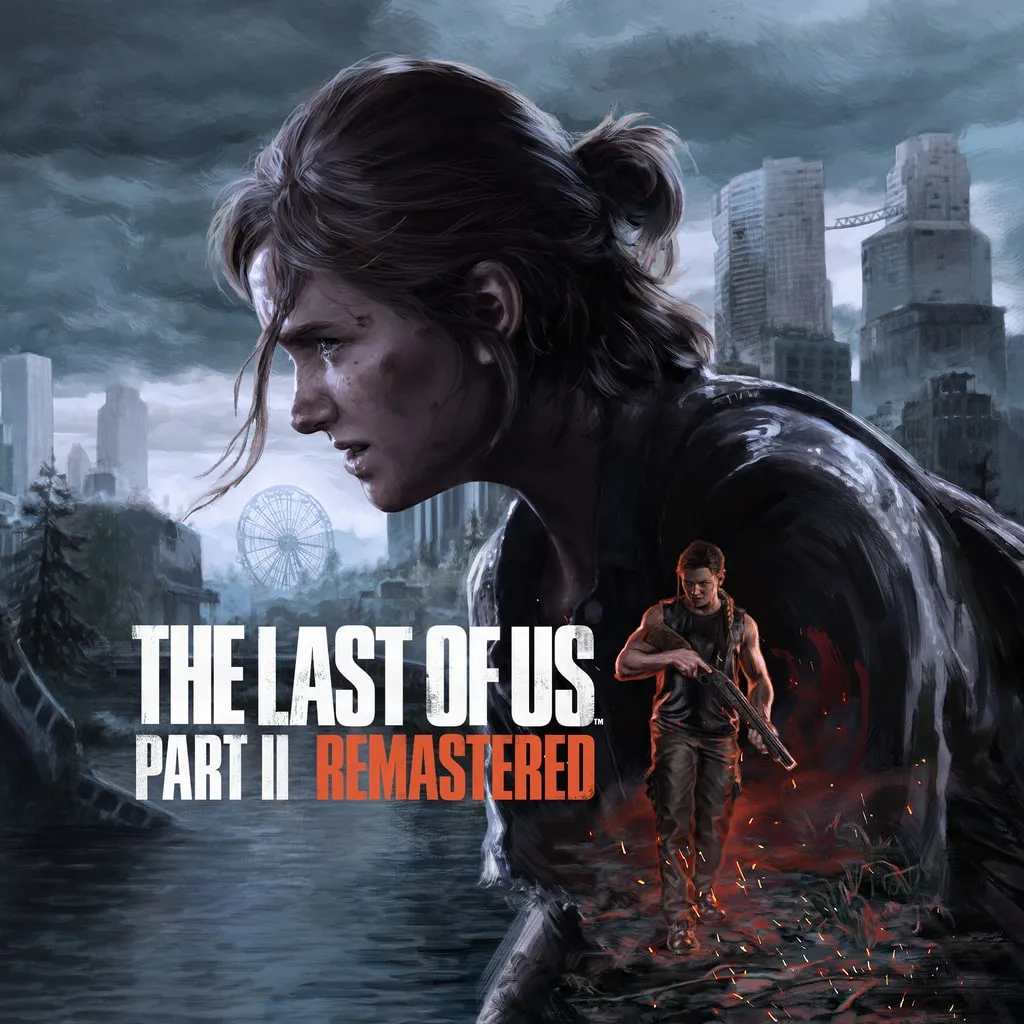 Photo: The Last of Us Part II, via image.api.playstation.com
The problem isn't helping new players; it's assuming every player is new and treating experienced gamers like they've suffered collective amnesia.
The Way Forward
So what's the solution? Start by trusting your players. If your game mechanics are so complex that they require extensive explanation, maybe they're too complex. If your interface needs a guided tour, maybe it needs a redesign. If your systems can't be understood through experimentation, maybe they're not as elegant as you think.
The most memorable gaming moments come from discovery, not instruction. They come from figuring out that you can stack objects to reach higher platforms, or realizing that the environment itself is telling you where to go next. They come from feeling smart, not feeling lectured.
Developers should look to games like Hades, which teaches its combat system through failure and repetition rather than pop-up boxes. Or Control, which trusts players to piece together its reality-bending mechanics through environmental clues and experimentation. These games understand that confusion can be engaging when it's intentional and temporary.
Breaking the Cycle
The tutorial trap persists because it feels safe. Publishers can point to focus group feedback and user testing that shows tutorials "help" players. But what they're really measuring is immediate comprehension, not long-term engagement. They're optimizing for the first hour at the expense of the next hundred.
Until studios start measuring player retention and satisfaction beyond the opening sequence, we'll keep getting games that explain everything and trust nothing. We'll keep getting opening hours that feel like elaborate apologies for the complexity that makes games interesting in the first place.
It's time for the industry to grow up and give players the credit they deserve—because in 2026, the biggest tutorial we need is teaching developers to trust the people playing their games.