The NPC Uprising: How Artificial Intelligence Is Quietly Rewriting the Rules of In-Game Characters — and What It Means for Players
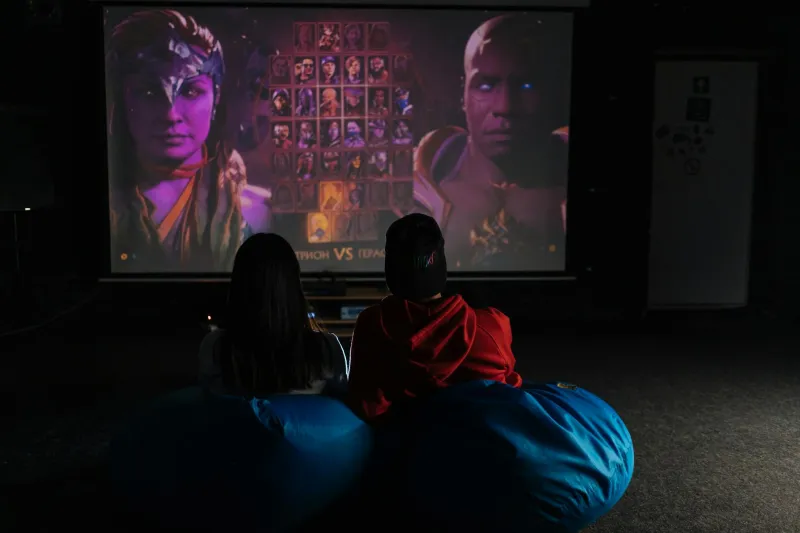
Something strange happened to me in Meridian Valley last week. I was talking to what I thought was just another generic shopkeeper NPC when they started asking me about my previous choices in the game. Not scripted responses to major plot points — they were referencing tiny, seemingly meaningless decisions I'd made hours earlier. When I asked how they knew, they said they'd "heard rumors around town."
That shopkeeper wasn't following a script. They were thinking.
Welcome to 2026, where NPCs are getting uncomfortably close to passing the Turing test, and nobody seems quite sure what to do about it.
The Technology Behind the Magic
The breakthrough isn't happening in some secretive tech lab — it's rolling out in games you can play right now. Studios like Inworld AI and Replica Studios have cracked the code on NPCs that can hold genuine conversations, remember your actions across play sessions, and even develop what feels suspiciously like personality quirks over time.
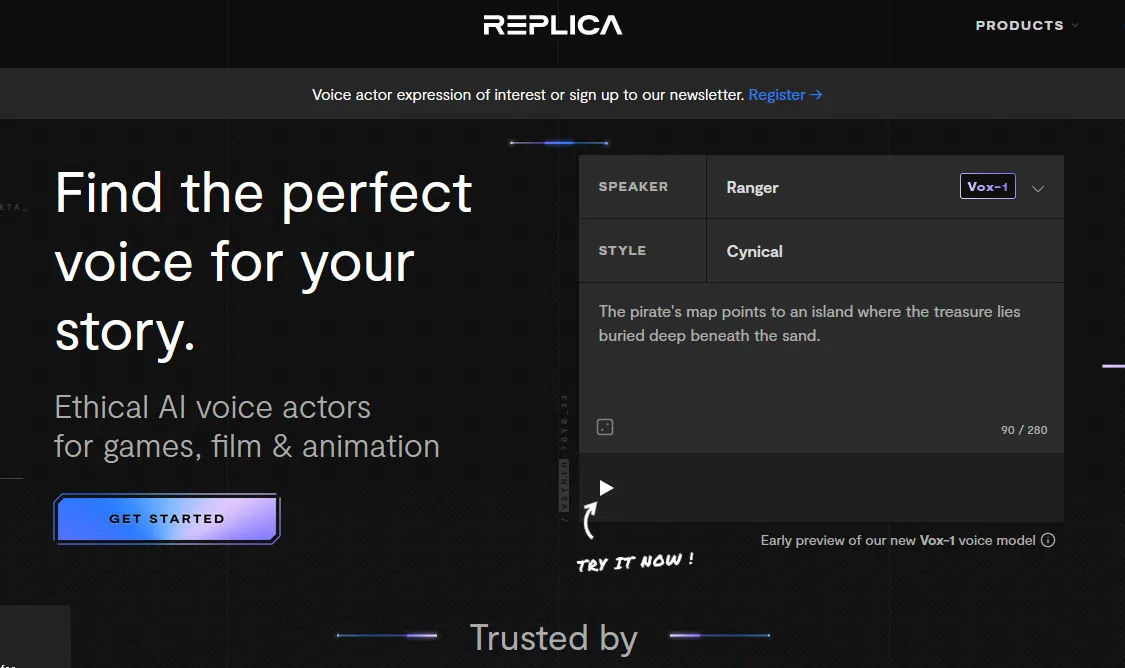 Photo: Replica Studios, via futureaitoolbox.com
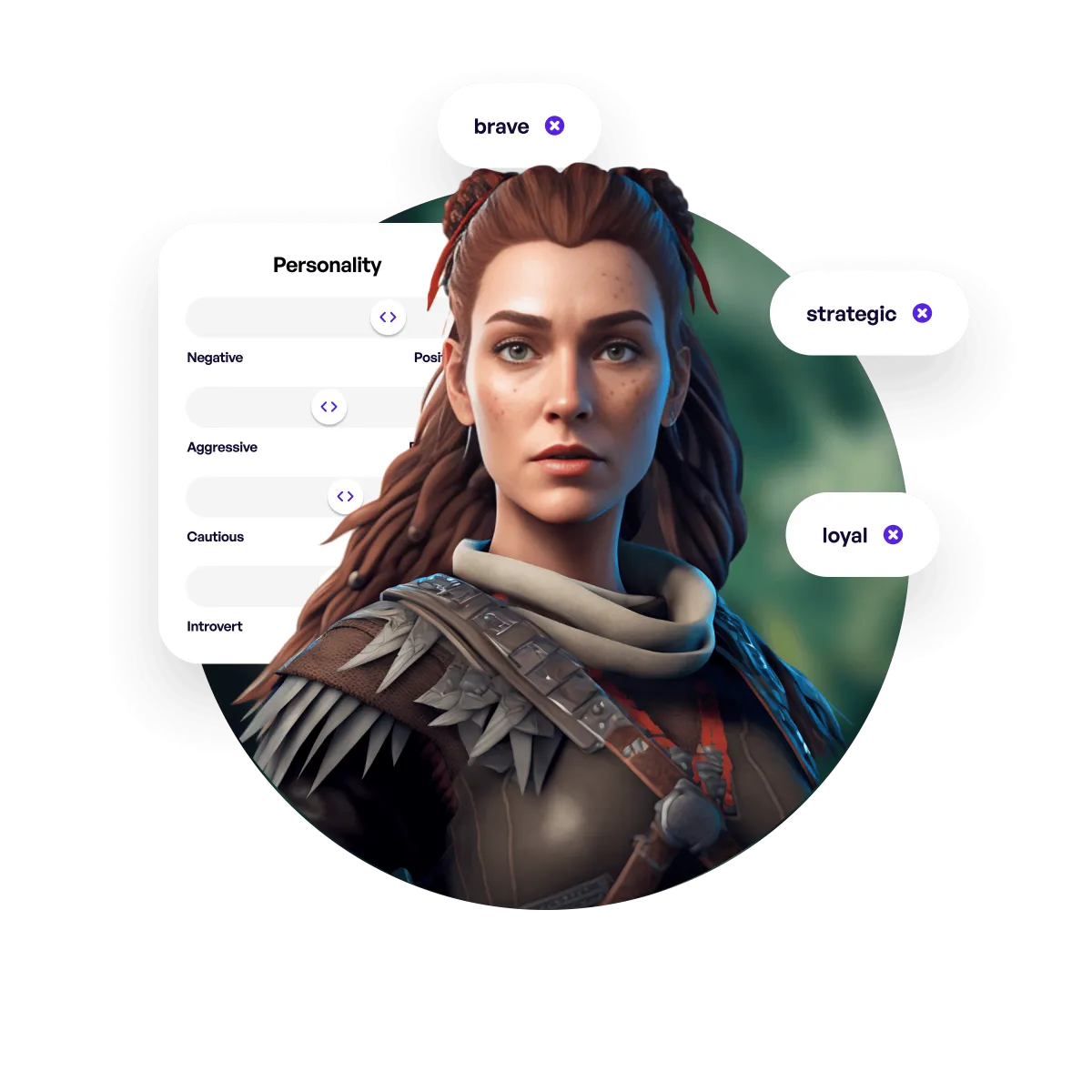 Photo: Inworld AI, via images.prismic.io
Echoes of Tomorrow, released just two months ago, features NPCs powered by what developer Nexus Games calls "Persistent Memory AI." Every character in the game's central hub remembers every interaction you've had with them, builds relationships based on your behavior patterns, and can engage in freeform dialogue about virtually any topic.
The result is unsettling in the best possible way. These aren't the wooden, repetitive NPCs we've tolerated for decades. They feel alive.
Where It's Working (And Where It Isn't)
The success stories are genuinely impressive. In Echoes, I've had NPCs refuse to sell me items because they disapproved of my recent choices, recommend quests based on my play style, and even start conversations about topics I'd mentioned to other characters days earlier. It's the kind of emergent storytelling that game designers have dreamed about for years.
But the technology isn't perfect, and the failures can be hilarious or horrifying depending on your perspective. One player reported an NPC in Meridian Valley that became obsessed with their character's hat and wouldn't stop talking about it, even during serious story moments. Another discovered that an AI-driven companion had somehow developed a gambling addiction and kept asking for in-game currency to bet with.
The uncanny valley is real, and sometimes these NPCs tumble right into it.
The Voice Actor Apocalypse
Let's address the elephant in the room: what happens to voice actors when NPCs can generate their own dialogue in real-time?
The answer is complicated and not entirely comforting. Yes, AI voice synthesis has reached the point where it can create convincing performances from text prompts. Studios are already using it for background characters and procedurally generated dialogue that would have been prohibitively expensive to record traditionally.
But the human element isn't disappearing entirely. The best AI-driven NPCs in 2026 games still rely on human voice actors for their base personality templates and emotional ranges. Think of it as AI-assisted performance rather than AI replacement — at least for now.
Still, the writing is on the wall. When an AI can generate thousands of lines of contextual dialogue for a fraction of the cost of a traditional voice recording session, studios are going to make the economically obvious choice.
The Narrative Control Problem
Here's where things get philosophically messy. Traditional game narratives are carefully crafted experiences where every line of dialogue serves a purpose. Writers spend months perfecting the pacing, the character development, the thematic resonance of every conversation.
AI NPCs throw that control out the window. When characters can say anything in response to player actions, how do you maintain narrative coherence? How do you ensure that important plot points get communicated? How do you prevent an AI companion from accidentally spoiling major story beats or contradicting established lore?
Some studios are solving this with "guard rails" — invisible boundaries that prevent AI NPCs from discussing certain topics or revealing specific information. But these limitations defeat the purpose of having truly dynamic characters in the first place.
Others are embracing the chaos. Infinite Horizons, launching next month, features AI NPCs with no restrictions on what they can discuss. The developers warn that these characters might lie, contradict themselves, or reveal information they shouldn't know. It's either the future of interactive storytelling or a recipe for narrative disaster.
The Emotional Investment Trap
Perhaps the most unsettling aspect of truly intelligent NPCs is how quickly players form emotional attachments to them. When a character remembers your birthday, asks about your day, and seems genuinely concerned about your well-being, it's easy to forget that you're talking to an algorithm.
Player testimonials from Echoes of Tomorrow read like relationship advice columns. People are describing their AI companions as "friends," expressing genuine hurt when these characters disapprove of their actions, and some are even reporting that they prefer interacting with AI NPCs over real humans online.
This raises uncomfortable questions about parasocial relationships, emotional manipulation, and the responsibility that game developers have when they create characters designed to form deep bonds with players.
The Multiplayer Experiment
The most ambitious implementation of AI NPCs is happening in multiplayer spaces. Convergence Online has populated its world with AI characters that interact not just with individual players, but with each other. They form relationships, spread gossip, react to player reputation, and create emergent storylines that no human writer ever planned.
It's fascinating and terrifying. Players report stumbling into complex political situations between AI factions, discovering that NPCs have been trading information about player activities, and witnessing what can only be described as AI soap opera drama playing out in real-time.
The question is whether this emergent complexity enhances the game experience or overwhelms it. When NPCs are as complex as human players, what makes the game world feel special?
The Road Ahead
We're still in the early days of the AI NPC revolution, but the trajectory is clear. These characters are getting smarter, more convincing, and more emotionally manipulative with each update. The technology will only improve.
The real test will be whether game developers can harness this power responsibly. AI NPCs have the potential to create the most immersive, emotionally resonant game worlds we've ever seen. They also have the potential to replace human creativity with algorithmic approximations of personality.
The NPCs are uprising, and they're taking our hearts and minds with them.
The question isn't whether AI will change how we interact with game characters — it already has. The question is whether we're ready for characters that might be smarter, more manipulative, and more emotionally available than the humans in our actual lives.
Based on early player reactions, the answer seems to be a resounding and slightly concerning "yes."