The Collector's Edition Con: How Gaming's Most Expensive Bundles Became the Industry's Biggest Bait-and-Switch
The Collector's Edition Con: How Gaming's Most Expensive Bundles Became the Industry's Biggest Bait-and-Switch
The collector's edition racket has officially jumped the shark. What started as genuine fan service — think Halo 3's legendary helmet or Skyrim's wearable dragon claw — has devolved into a predatory pricing scheme that would make mobile game monetization blush. In 2026, we're watching publishers charge $250 for bundles that cost maybe $40 to produce, stuffed with plastic trinkets that break in shipping and 'exclusive' content that gets sold separately three months later.
The numbers don't lie, and they're getting worse.
The Price Breakdown That Publishers Don't Want You to See
Let's do some math that'll make your wallet cry. Take this year's Cyber Nexus: Reborn Ultimate Collector's Edition, priced at a jaw-dropping $279.99. Inside that premium packaging, you get a 6-inch plastic figure (estimated production cost: $8), a metal keychain ($2), a 'premium' art book that's clearly printed on standard paper ($5), some digital currency worth maybe $10 in real money, and a season pass that would normally cost $30.
Add in the base game at $70, and you're looking at roughly $125 in actual value for nearly $300. That's a markup that would make luxury fashion brands jealous.
But here's the kicker — half of these items show up damaged, delayed, or straight-up different from what was advertised. The Nexus figure that looked premium in marketing photos? Players are posting pictures of wonky paint jobs and limbs that fall off when you breathe on them. The 'metal' keychain? It's plastic with metallic paint that chips off in your pocket.
The FOMO Factory
Publishers have weaponized scarcity like never before. Every collector's edition now comes with artificial urgency baked in. "Limited quantities!" they scream, while producing just enough units to sell out and create secondary market buzz, but not enough to satisfy actual demand.
The psychology is brutal and effective. Gamers who missed out on that one collector's edition that actually held its value — looking at you, Breath of the Wild Master Edition — now panic-buy every premium package, terrified of missing the next big thing.
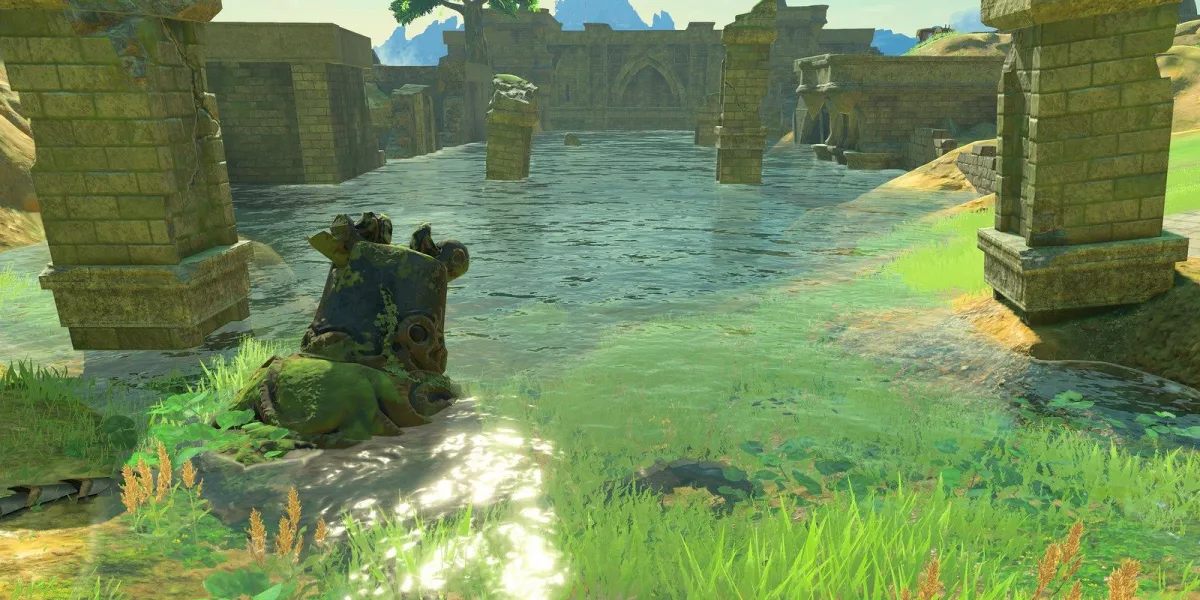 Photo: Breath of the Wild, via static0.gamerantimages.com
Except the next big thing never comes. Instead, we get endless streams of forgettable statues that end up on clearance at GameStop six months later, right next to the Destiny 2 Ghost replicas nobody wanted.
The Resale Reality Check
Here's where the collector's edition dream completely falls apart: the resale market has quietly collapsed. Browse eBay for 2024's 'limited' collector's editions and you'll find them selling for less than their original retail price, often with the game code already used.
That Call of Duty: Advanced Warfare Atlas statue that seemed so cool in 2014? It's going for $15 on Facebook Marketplace. The Fallout 76 canvas bag controversy wasn't just about false advertising — it was a wake-up call about how worthless most of this stuff really is.
Collectors who treated these editions as investments are learning a harsh lesson: mass-produced plastic doesn't appreciate in value just because it has a game logo on it.
The Digital Deception
Perhaps the most cynical evolution in collector's edition pricing is the digital padding. Publishers now bulk up these packages with 'exclusive' digital content that costs them literally nothing to produce — weapon skins, character outfits, in-game currency, and early access periods.
Starfield's Constellation Edition charged $300 partly for 'exclusive' ship customizations and 5,000 credits. Those credits? Worth about $4 if purchased separately. The ship skins? They became available to all players in the first major update.
It's digital snake oil, and we keep buying it.
Why We Keep Falling for It
The real question isn't why publishers keep making these bundles — the profit margins are obscene, so of course they do. The question is why gamers keep buying them despite years of disappointment.
Part of it is pure brand loyalty taken to unhealthy extremes. When you've invested hundreds of hours in a franchise, that $200 premium package feels like proof of your fandom rather than a financial mistake.
There's also the Instagram factor. These editions are designed to look impressive in unboxing videos and shelf photos. They're gaming's equivalent of luxury handbags — overpriced status symbols that signal devotion to a particular tribe.
The Studios Fighting Back
Not every developer is playing this game. Smaller studios and some indie publishers are experimenting with collector's editions that actually justify their price tags — real craftsmanship, genuine scarcity, and honest marketing about what you're getting.
Pizza Tower's physical release included hand-drawn art cards and a vinyl soundtrack pressed in limited quantities. It cost $60, sold out immediately, and actually holds its value because the contents matched the passion of the game itself.
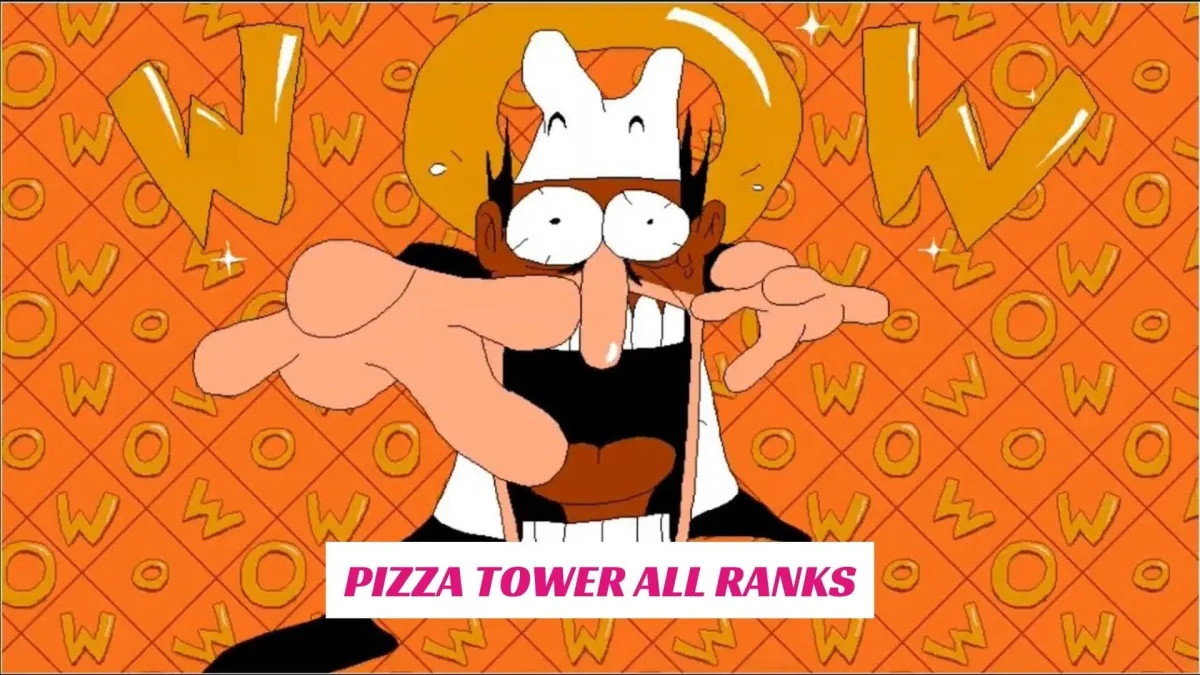 Photo: Pizza Tower, via indiewod.com
Meanwhile, AAA publishers are still churning out $250 packages filled with items that feel like they fell out of a crane machine.
The Path Forward
The collector's edition market is due for a reckoning. As more gamers wise up to the math and the secondary market continues to crash, publishers will need to either deliver genuine value or watch this revenue stream dry up.
Smart money says they'll just pivot to NFTs and call them 'digital collector's editions.'
Until then, here's some free advice: if you're buying a collector's edition for anything other than the base game and maybe one specific item you genuinely want, you're paying a premium to be disappointed.
The house always wins, and in gaming's collector's edition casino, the house is getting greedier every year.