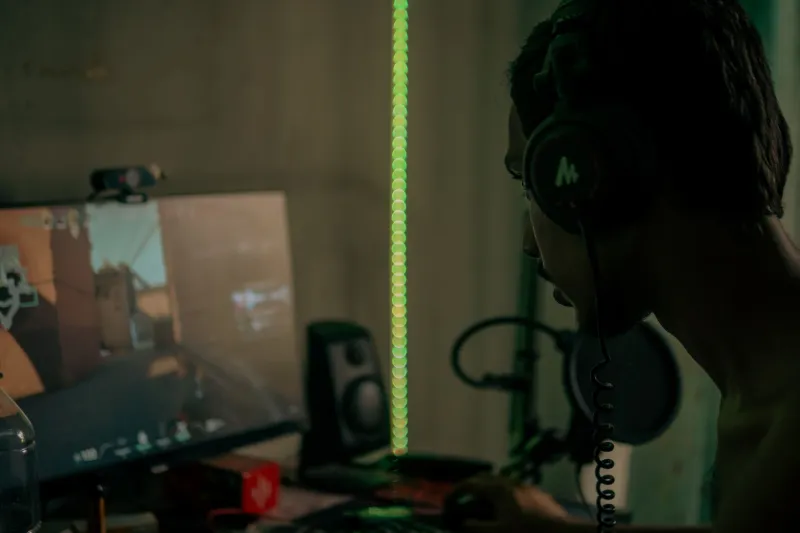
The Single-Player Comeback: How Solo Games Quietly Won 2026 While Live-Service Titles Stumbled
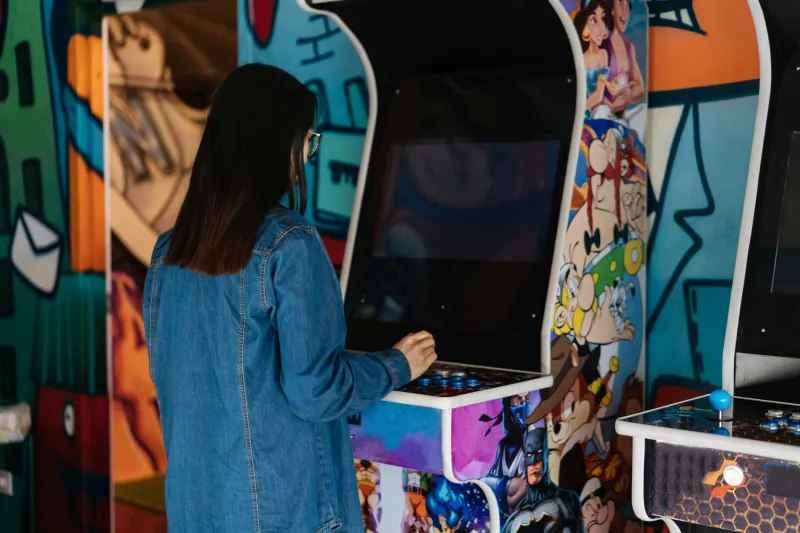
While everyone was watching the latest live-service spectacular crash and burn, something remarkable happened in 2026: single-player games quietly dominated both critical acclaim and commercial success. The numbers don't lie — solo experiences are having their best year in over a decade, while the games-as-a-service model finally hit its breaking point.
The Data Speaks Volumes
Let's start with the receipts. Of the top 10 highest-rated games released in 2026, eight are single-player experiences with definitive endings. Meanwhile, three of the year's biggest live-service launches have already announced server shutdowns or "sunset" periods. The contrast couldn't be starker.
Sales data tells an even more compelling story. Single-player titles are consistently hitting their revenue targets, while multiple high-budget live-service games have failed to meet player retention goals within their first quarters. Publishers who bet big on perpetual engagement are learning that sometimes, players just want to experience a complete story and move on.
The critical reception gap is equally revealing. Review aggregators show single-player games averaging significantly higher scores than their live-service counterparts, with reviewers consistently praising complete experiences over fragmented, monetization-heavy alternatives.
The Live-Service Reality Check
This year delivered a harsh lesson about the sustainability of the games-as-a-service model. Multiple high-profile launches struggled to maintain player bases beyond their initial months, despite massive marketing budgets and celebrity endorsements.
The fundamental problem became clear: the live-service market is oversaturated. Players only have time and attention for a limited number of ongoing games, and the competition for that mindshare has become brutal. Every new live-service title isn't just competing against other new releases — it's competing against established ecosystems that players have already invested hundreds of hours and dollars into.
Meanwhile, single-player games face no such competition for ongoing attention. Players can enjoy them at their own pace, recommend them to friends months later, and revisit them whenever nostalgia strikes. There's no fear of missing out, no pressure to log in daily, and no anxiety about falling behind.
The Creative Renaissance
Perhaps more importantly, single-player games are experiencing a creative renaissance. Freed from the constraints of ongoing monetization and player retention metrics, developers are taking bigger narrative risks and exploring more experimental gameplay concepts.
This year's standout single-player titles have tackled complex themes, featured unconventional protagonists, and delivered emotionally resonant experiences that would be impossible to sustain across years of live-service content. When you're not worried about keeping players engaged for months or years, you can craft tighter, more focused experiences.
The result is a collection of games that feel genuinely artistic rather than algorithmic. Stories have natural conclusions, character development follows meaningful arcs, and gameplay mechanics serve narrative purposes rather than engagement metrics.
The Investment Shift
Studio investment patterns are already reflecting this shift. Multiple major publishers have quietly redirected resources from live-service projects to single-player development, though few will admit it publicly. The math is becoming undeniable: a successful single-player game can generate significant profits with a fraction of the ongoing operational costs required by live-service titles.
Development cycles are shorter, team sizes are more manageable, and success metrics are clearer. A single-player game either works or it doesn't — there's no years-long period of attempting to salvage a failing live-service through updates and content drops.
Smaller studios are particularly benefiting from this trend. Without the technical and financial barriers required for live-service development, indie developers can compete directly with AAA studios on the strength of their creative vision and execution.
The Player Fatigue Factor
Player surveys consistently reveal growing fatigue with live-service demands. The pressure to keep up with seasonal content, daily challenges, and limited-time events has created a sense of obligation rather than enjoyment for many players.
Single-player games offer something increasingly rare in modern gaming: respect for the player's time. They deliver complete experiences that can be enjoyed without external pressure or artificial urgency. In an era of infinite content and constant notifications, the finite nature of single-player games has become a selling point rather than a limitation.
This shift represents a fundamental change in how players value their gaming time. Quality is trumping quantity, and memorable experiences are proving more valuable than endless progression systems.
The Platform Response
Even digital platforms are adapting to this trend. Subscription services are highlighting single-player games more prominently, recognizing that complete experiences can drive sign-ups just as effectively as ongoing live-service titles. The "binge and move on" model works for gaming just as well as it does for streaming television.
Storefront algorithms are also shifting to accommodate this preference. Instead of prioritizing games with high daily active user counts, platforms are beginning to weight factors like completion rates and recommendation frequency more heavily.
Looking Forward
The success of single-player games in 2026 doesn't spell the end of live-service gaming, but it does signal a necessary market correction. The industry's brief obsession with perpetual engagement and infinite monetization has given way to a more balanced approach that recognizes the value of complete, finite experiences.
Publishers are learning that not every game needs to be a lifestyle. Sometimes, the most profitable approach is to create something memorable, charge appropriately for it, and let players move on to the next experience. In a world of infinite content, completion has become a luxury — and players are willing to pay for it.
The single-player comeback of 2026 proves that good storytelling, thoughtful design, and respect for the player's time never go out of style. While the industry spent years chasing the next big live-service hit, players were quietly longing for games that simply knew when to end.