The Ghost Slot: Why the Holiday 2026 Release Window Is Already a Graveyard for Mid-Tier Games
The Holiday 2026 release calendar reads like a suicide mission for any game that isn't backed by a nine-figure marketing budget. Between November 1st and December 31st, over 200 games are scheduled to launch across all platforms—but only a handful will survive the bloodbath. The rest will vanish into what industry insiders call "the ghost slot," where promising titles go to die quietly while blockbusters feast on consumer attention and wallets.
The Hierarchy of Holiday Horror
At the top of the food chain sit the apex predators: Call of Duty: Advanced Warfare II, the new Assassin's Creed, and whatever surprise Nintendo drops in their November Direct. These titles arrive with marketing budgets that exceed the entire development costs of most mid-tier games, dominating everything from TV spots to influencer partnerships to premium shelf space in physical retailers.
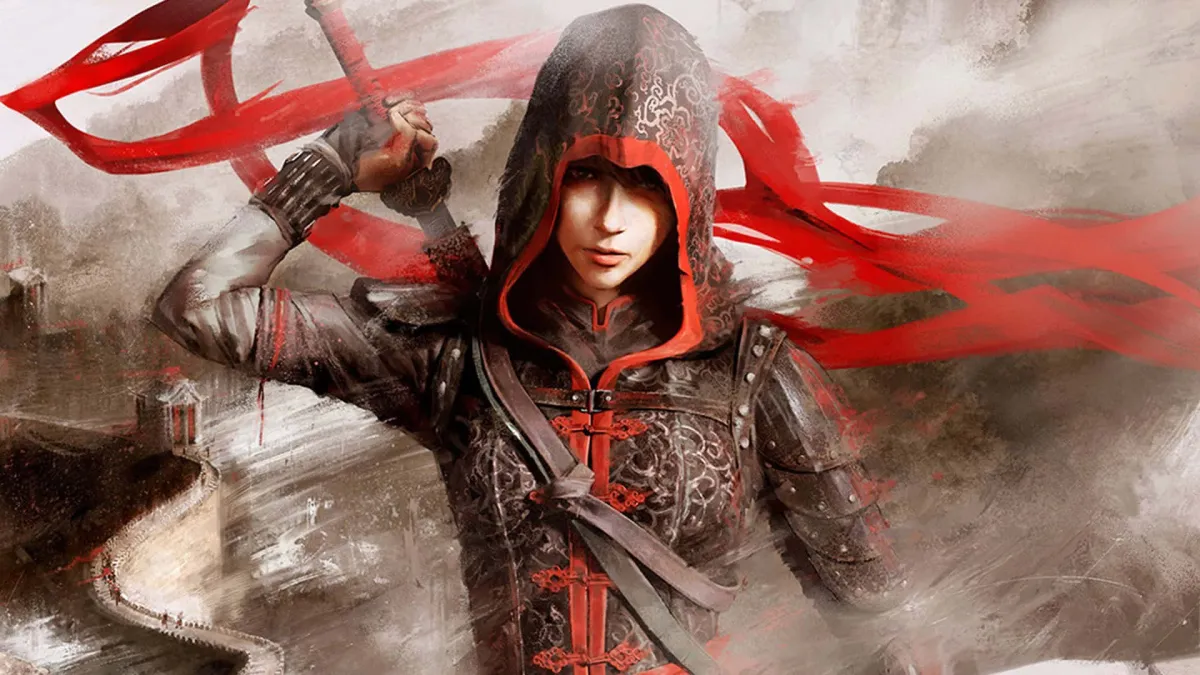 Photo: Assassin's Creed, via wallpapers.com
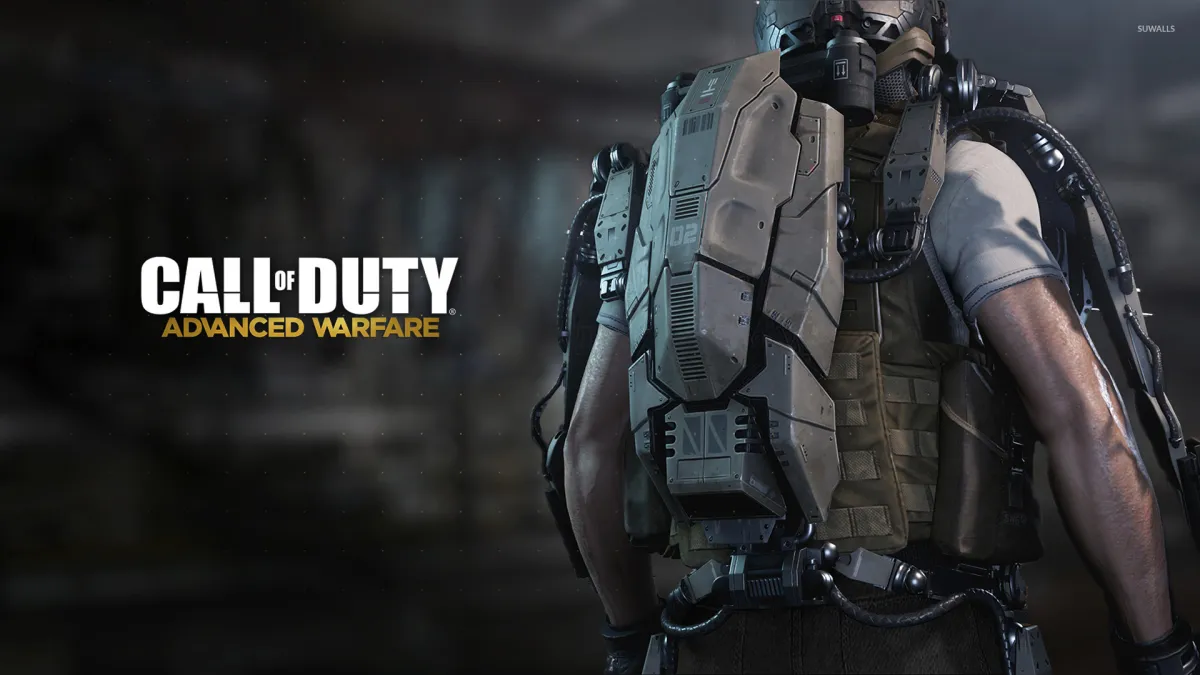 Photo: Call of Duty: Advanced Warfare II, via cdn.suwalls.com
Below them lurk the second-tier hopefuls—franchises with established audiences but smaller marketing war chests. This year, that includes the new Borderlands entry, a long-awaited sequel to Control, and Sony's latest first-party exclusive. These games have a fighting chance, but only if they can carve out distinct release windows away from the giants.
Then comes the killing field: the dozens of mid-budget titles launching between these behemoths, each hoping to capture lightning in a bottle but statistically destined for commercial disappointment. This is where 2026's holiday casualties are already piling up.
The Walking Dead of Q4 2026
Several promising titles have essentially signed their own death warrants with their current release timing. Crimson Skies: Resurrection, the long-awaited revival of Microsoft's aerial combat franchise, is launching November 15th—directly between Call of Duty's November 8th release and whatever Nintendo announces for late November. Despite positive preview coverage and strong nostalgia appeal, it's entering a market where consumer attention will be completely consumed by bigger fish.
Neon Dynasty, a cyberpunk RPG from Polish studio Infinite Visions, faces an even grimmer fate with its December 12th release date. By then, holiday shoppers will have already made their major gaming purchases, and the title will compete not just with new releases but with Black Friday discounts on established hits. The game has garnered critical acclaim in preview builds, but critical acclaim doesn't pay the bills when nobody knows your game exists.
Perhaps most tragic is Echoes of Tomorrow, an innovative sci-fi adventure from the creators of What Remains of Edith Finch. Despite being one of the most anticipated indie titles of the year, its November 22nd launch puts it directly in the shadow of the new Assassin's Creed game and whatever holiday surprise Sony has planned. In any other release window, it would be a breakout hit. In Holiday 2026, it's roadkill.
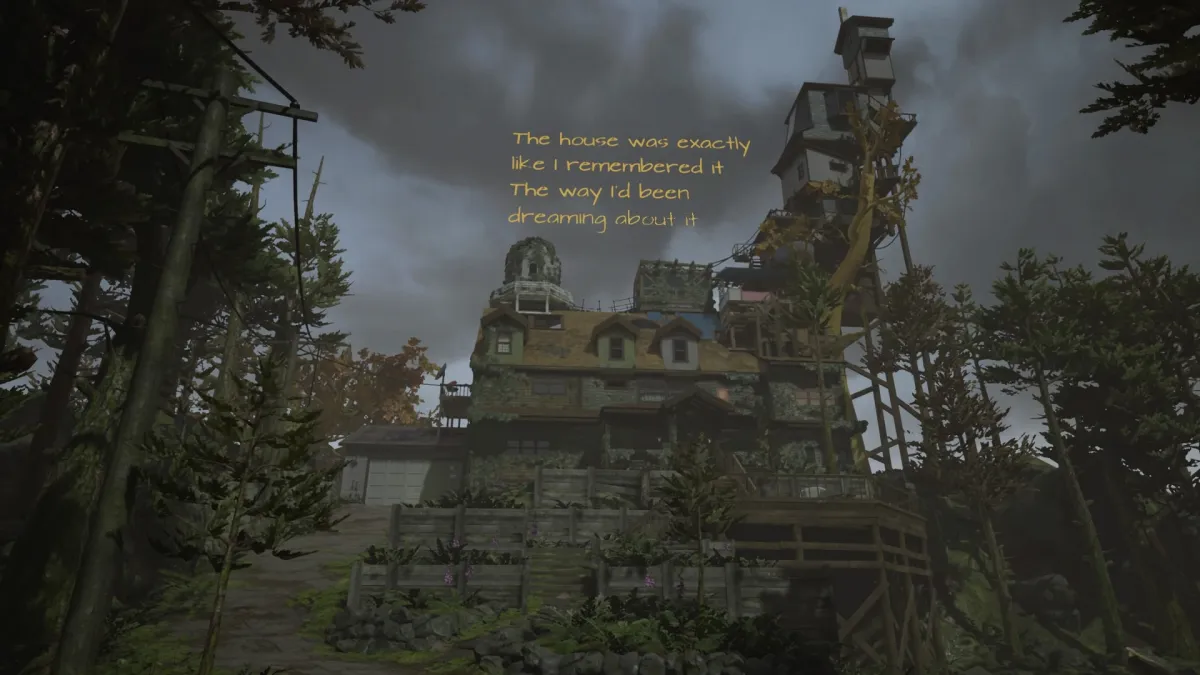 Photo: What Remains of Edith Finch, via cdn.wccftech.com
The Marketing Mathematics of Failure
The problem isn't just competition—it's the fundamental economics of attention in the modern gaming landscape. During holiday windows, marketing effectiveness follows a power law: the biggest spenders don't just get proportionally more attention, they get exponentially more. A $50 million marketing campaign doesn't just outperform a $5 million campaign by 10x—it can outperform it by 100x or more.
"The holiday window has become a rich-get-richer scenario," explains marketing analyst David Kim. "If you don't have the budget to cut through the noise, you might as well not have a budget at all. The mid-tier games launching this holiday are essentially paying for the privilege of being ignored."
This dynamic is amplified by how gaming media operates during holiday crunch periods. With limited resources and infinite content to cover, outlets naturally prioritize the biggest, most traffic-generating stories. A mid-budget game might get a single review and maybe a mention in a holiday buying guide, while major releases get weeks of preview coverage, developer interviews, and post-launch analysis.
The Platform Problem
Digital storefronts, theoretically designed to give all games equal opportunity for discovery, have actually made the problem worse. Steam's front page during holiday periods becomes a rotating showcase of major releases, with smaller titles buried under algorithmic recommendations that favor games with existing momentum. PlayStation and Xbox stores follow similar patterns, promoting the titles they expect to drive the most revenue.
"The democratization of game distribution was supposed to help smaller developers," says former Steam business development manager Rachel Torres. "But the reality is that visibility algorithms reward success with more success. If you're not immediately successful in a crowded window, you become invisible."
GamePass and PlayStation Plus, while providing some safety nets for smaller titles, operate on their own cruel mathematics. Publishers are more likely to negotiate inclusion deals for games that have already proven their worth, not for unproven titles launching into the holiday meat grinder.
The International Escape Hatch
Some developers are trying to game the system by staggering their releases across different regions, but this strategy comes with its own risks. Stellar Odyssey, a space exploration game from Canadian studio Aurora Interactive, is launching in Europe and Asia in October before hitting North American markets in January 2027. The strategy might help them avoid the holiday crush, but it also risks fragmenting their audience and reducing the impact of their marketing spend.
"Regional staggering can work, but it's basically admitting that your home market isn't worth fighting for," explains international publishing consultant Maria Santos. "You're trading a shot at major success for guaranteed mediocrity."
The Streaming Wild Card
One potential disruption to this pattern comes from the growing influence of streaming and content creation. Titles that generate compelling streaming content can sometimes break through the noise even without massive marketing budgets. Chaos Kitchen, a co-op cooking game launching December 5th, is betting entirely on this strategy, partnering with major streamers and content creators rather than buying traditional advertising.
"We know we can't outspend Call of Duty," says Chaos Kitchen creative director Tommy Chen. "But we can make a game that's more fun to watch and play with friends. That's our only shot at cutting through the holiday madness."
The January Exodus
The most telling indicator of how broken the holiday window has become is the growing number of developers who are simply opting out entirely. January 2027 is already looking like one of the most crowded post-holiday periods in gaming history, with dozens of titles choosing to launch after the holiday carnage subsides.
"January used to be a dead zone," notes industry analyst Sarah Mitchell. "Now it's becoming the smart money window. You're competing against post-holiday budget fatigue, but at least you're not competing against Call of Duty and Nintendo at the same time."
The irony is that many of these January titles—games like Forgotten Realms, Neon Nights, and The Last Garden—would have been among the most interesting releases of Holiday 2026. Instead, they're fleeing to a quieter window where they might actually be noticed.
The Middle Market Extinction Event
What we're witnessing isn't just a difficult holiday season—it's the systematic elimination of the middle market from gaming's most important sales window. The titles launching into Holiday 2026's ghost slots aren't just risking poor sales; they're risking the end of their studios, the cancellation of their sequels, and the message to publishers that mid-budget games simply can't compete.
If this trend continues, holiday gaming will become a binary choice between massive blockbusters and tiny indie darlings, with nothing in between. The games that used to fill that crucial middle space—the creative, ambitious, moderately-budgeted titles that often produced the most interesting innovations—will simply stop existing.
For an industry that constantly talks about the importance of diversity and creativity, the Holiday 2026 release window represents everything that's wrong with modern gaming economics. The ghost slot isn't just killing individual games—it's killing an entire tier of the industry, one promising title at a time.